A pocket tissue equipment list can accidentally contain two prices for the same operation. One offer describes a line that already delivers individually packed tissue; another adds a packing machine without identifying a different package. The names may sound compatible while the purchase scope overlaps. Before combining offers, define the product delivered at the end of each supplied section. The important commercial question is whether the second machine performs an additional agreed task or repeats a task already included.
Read what the base line says it delivers
The DB-HK-130P single-channel pocket tissue machine description connects controlled unwinding, tissue folding and automatic individual packing. It describes finished packs proceeding toward downstream cartoning or bundling. That published boundary gives the buyer a reason to examine any separate primary-packer allowance carefully. It does not mean that every option, wrapper format or downstream operation is included in every quotation.
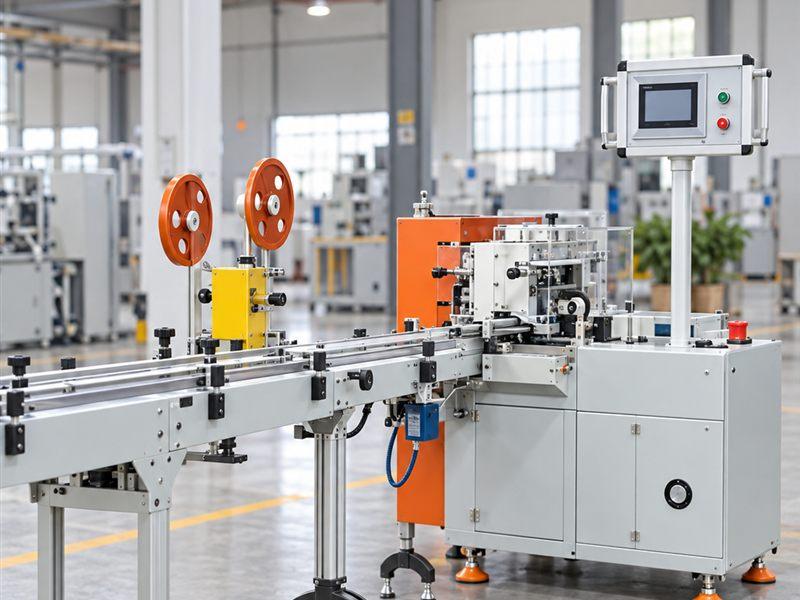
A workshop view published with the DB-HK-130P shows equipment and a conveyor. The ordered component list and finished-pack specification establish the purchased scope.
Ask the base offer to describe its delivered state in ordinary product terms. “Folded tissue stack” and “closed individual pocket tissue pack” are different outputs. The second includes a packaging operation that the first does not. If the offer uses the word packing without naming the package, request a written clarification before adding another machine to the budget.
Use a reference sample or drawing to identify the individual pack under discussion. State the intended tissue format, sheet count and wrapper presentation, with any unresolved details marked for confirmation. A photograph of several packs together can otherwise lead one party to mean the primary pack and another to mean the bundle around it. The scope should make that distinction without depending on an equipment nickname.
Separate three possible purchase lines
The converting section prepares the folded tissue. Primary packing encloses the tissue as an individual pocket pack. Outer packing groups or places those individual packs into the agreed distribution package. These descriptions are a way to compare commercial scope; they are not a claim that the three operations must always be supplied as separate physical machines.
Commercial line
Product received
Product to identify at delivery
Converting
The specified tissue parent material
Folded tissue in the state agreed for the next section
Individual packing
The specified folded tissue
One completed primary pocket tissue pack
Outer packing
Accepted individual packs
The agreed bundle, carton or other separately specified package
Assign each quoted item to the task it actually performs and attach the supplier's description. A single integrated line may cover the first two rows. A later machine may legitimately cover the third. What matters is that the later machine has a different defined input and output, with the required package and collection arrangement confirmed.
Do not move an uncertain item into outer packing merely to make the list appear complete. If a proposed machine is described only as a pocket tissue packer, its actual role remains unresolved. Ask the provider which physical product arrives at it and what physical product leaves. That answer can reveal either a useful addition, an optional alternative or a duplicate allowance.
Distinguish an alternative from an addition
A standalone primary packer can be a reasonable item in a different project, for example where the contracted upstream supply ends at folded tissue. It can also be proposed as an alternative arrangement during an enquiry. Neither case justifies adding its full cost automatically to a DB-HK-130P offer that already includes the selected individual-packing task. Compare complete, clearly bounded options rather than joining their titles.
For a hypothetical budget review, imagine offer A includes converting and individual packing, while offer B covers individual packing only. Adding A and B without clarification repeats the same commercial task. If offer C instead receives accepted individual packs and forms a specified outer bundle, A plus C may represent distinct tasks. These are illustrative offer boundaries, not descriptions of actual supplier prices or confirmed equipment compatibility.
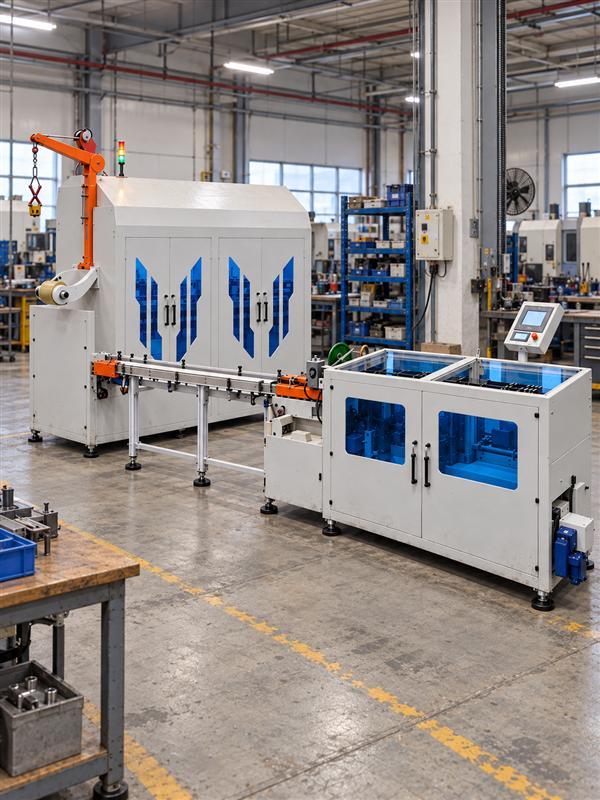
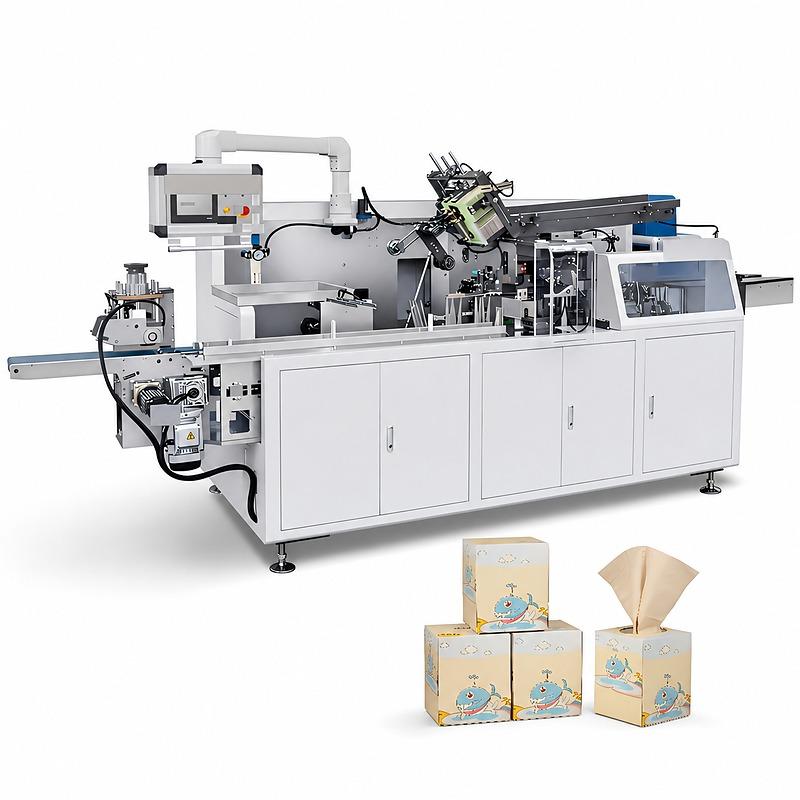
This separate illustration comes from the DB-HK-150P gallery. It is not a photograph of the DB-HK-130P build and does not establish interchangeable components or a shared quotation scope.
Ask for alternatives to remain separate in the revised commercial schedule. Each should have its own included equipment, exclusions and delivered product. An option can then be selected or rejected consciously. Deleting a repeated price while leaving its description in the purchase order creates another ambiguity: the buyer may still expect that machine even though the total no longer includes it.
Where a quotation is revised, trace both the scope and the price change. A new label such as integrated packing is not sufficient if the underlying equipment list remains unchanged or contradicts it. Have the supplier identify which earlier item is replaced, which remains and which has been removed. This makes the revision understandable to the people approving the budget and later checking delivery.
Use a separate status for each item while the comparison is open. Three simple descriptions help prevent an enquiry option from becoming an assumed part of the order:
Included in the selected offer: the task, supplied equipment and delivered product have been identified in that offer's current revision.
Alternative under comparison: the item belongs to another proposed arrangement and should not be added to the selected offer's total.
Unresolved addition: the buyer has requested a task, but the provider has not yet confirmed its equipment, boundary or price.
These are commercial review labels, not machine capabilities. Keep the supplier's actual item reference beside the chosen status. If an alternative becomes the selected arrangement, revise the affected scope lines together rather than changing only the grand total. The earlier arrangement can remain in the comparison file without appearing in the final delivery schedule.
An included operation still needs its own specification
Finding that primary packing is included does not close the technical discussion. The offer still needs to identify the intended pack, wrapper requirements, selected format and agreed output basis. The DB-HK-130P page lists several tissue sizes and sheet-count options, but those lists do not approve every possible combination. An equipment-scope decision and a product-format decision are different approvals.
List any requested functions that remain optional or unconfirmed. The presence of a PLC touchscreen and automatic web correction in the published description does not prove that a proposed printer, special opening feature or later handling unit is supplied. Ask for those items by name and have the supplier state their status. This avoids replacing one duplicate purchase with a new assumption about missing functions.
Do not use an omitted price as the only evidence that a function is included. It may instead be excluded, pending a material sample or covered by a separate option. The equipment list and written scope need to explain it. Conversely, a separately priced component can still belong inside the selected integrated line; its separate price does not automatically mean it repeats an operation.
Check the associated supply responsibilities too. If the included primary-packing section needs selected materials, samples or buyer-provided services for commissioning, identify them in the project schedule. They are not another primary-packing machine. Keeping equipment supply separate from materials and site responsibilities allows the budget to remain complete without using a vague extra-machine allowance as a substitute.
Give the next supplier an actual receiving boundary
If cartoning or bundling is selected, send that provider the agreed individual-pack definition and the proposed collection interface. Ask it to confirm its receiving arrangement against those inputs. A statement that the upstream machine includes packing does not explain how finished packs will be presented to a later operation. The commercial scopes can be distinct while their physical interface still needs review.
Keep the ownership of that interface visible. One supplier may deliver to a named exit point while another begins at a receiving conveyor. An unassigned space between them is a supply gap, not evidence that a further primary packer is needed. Have the providers describe the transfer or collection arrangement and identify who supplies each included item.
Retain a cross-reference between the commercial item and its technical boundary when the order is handed to project staff. Purchasing may recognize a priced option number while the installer recognizes a conveyor or packing section. Both need to identify the same supplied item. That connection also helps the receiving team distinguish a missing contracted component from equipment that was considered and deliberately not ordered.
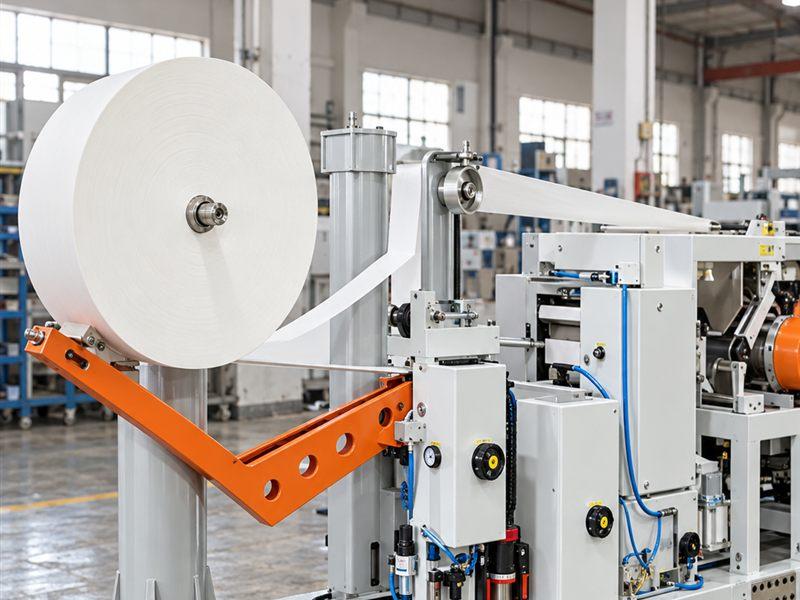
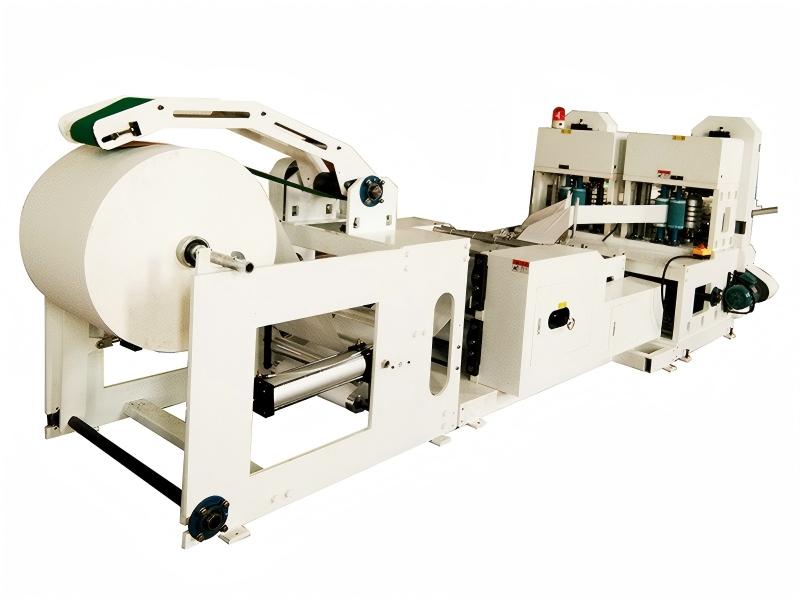
The parent-roll view is from the DB-HK-130P gallery. It illustrates an earlier product state, while the supply schedule must also name the completed product at the far end.
Before issuing the purchase order, read the combined schedule from input to final contracted output. Every operation should have a defined supplier or an explicit exclusion. Every added machine should have a task that can be distinguished from work already purchased. The final check is commercial as much as technical: the approved total, equipment list and delivered-product descriptions should all refer to the same selected arrangement.




 Tel: +8613908196540
 Email: info@doubletissuemachine.com
 MP/WhatsApp: +8613908196540
 Manufacturer Address:Dongguan, Guangdong, China