A facial tissue machine offer headed DB-IF-V can contain more than one product configuration. DOUBLE describes an IF version for facial tissue and an HT version for hand towels, with different published output figures. The first buying decision is therefore which version the price describes. A model family name, seven lines and an attractive finished sample are insufficient if one team is reading the facial-tissue entry while another is pricing the towel entry. Keep the configuration beside the product name from the first technical response through the final order.
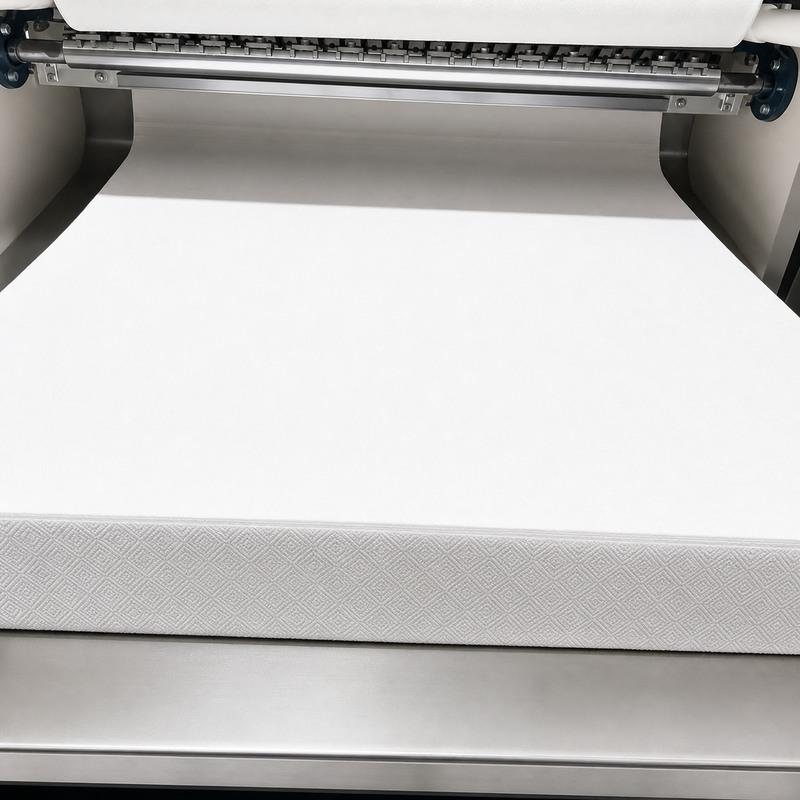
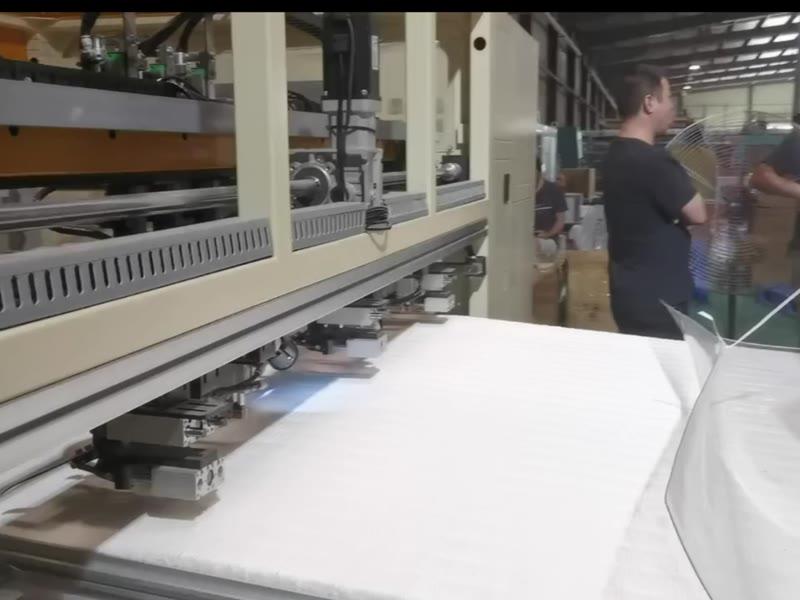
White tissue and a folded stack in the DB-IF-V source gallery. The photograph does not identify an ordered IF or HT configuration.
Read the two entries as two proposals
The published IF figure is 1,000 sheets per minute multiplied by seven lines, or 7,000 sheets per minute. The HT figure is 800 multiplied by seven, or 5,600 sheets per minute. DOUBLE makes the result dependent on paper quality. Preserve that qualification when copying the figures into an enquiry. The two numbers are not a high and low setting promised for whichever version the buyer eventually chooses.
Write the intended finished product above the rate. For facial tissue, ask the supplier to return an IF proposal identifying that product. For hand towels, request the HT proposal with the towel defined. If both products are under consideration, keep two named alternatives until the supplier explains the equipment required for each. Combining them into a single line called seven-line machine removes the distinction needed to compare the offers.
Published item
IF entry
HT entry
Named product direction
Facial tissue
Hand towel
Seven-line rate expression
1,000 sheets/min × 7
800 sheets/min × 7
Published combined figure
7,000 sheets/min
5,600 sheets/min
Qualification retained
Dependent on paper quality
Dependent on paper quality
This comparison describes the catalogue entries. It is not a record of a buyer's production run, a guarantee for every paper grade or evidence that changing a controller selection converts one delivered configuration into the other. Those are separate technical questions for the supplier.
In particular, a plan for facial tissue should not borrow the HT figure as an automatically available fallback rate for a more difficult facial paper. The page assigns that figure to the towel configuration, not to a second facial-tissue operating condition. If the intended facial grade needs its own proposed rate, request that response directly and keep it identified as the supplier's proposal for that grade.
Attach one finished product to each alternative
The sample helps resolve the configuration only when it has a stated identity. A white folded sheet could be called tissue by one department and towel by another. Describe the product being purchased, its open and folded dimensions, and its paper construction. Use the same description in the enquiry and the supplier's response. A photograph can accompany it, but should not carry the entire definition.
The DB-IF-V listing gives an unfolded example of 200 ± 2 × 220 mm and a folded example of 100 ± 2 × 220 mm. Customized sizes are offered for discussion. These published dimensions do not prove that every requested size, paper and optional system belongs to either quoted version. The supplier needs to connect the requested product with the configuration it is actually offering.
For a comparison involving several products, avoid a single sample bag with no separation between alternatives. Identify which sample belongs to the IF enquiry and which belongs to HT. A mixed bag may be convenient to ship, but an undifferentiated sample reference can make the technical response ambiguous. The important distinction is the product each proposal is intended to make, rather than the order in which samples were received.
Keep paper details configuration-specific as well. The source separates its facial-tissue basis-weight and ply entry from the other paper entry. Copying all those values into one broad material range would widen the offer without supplier confirmation. The configuration decision should narrow the applicable data, rather than accumulate every number on the page.
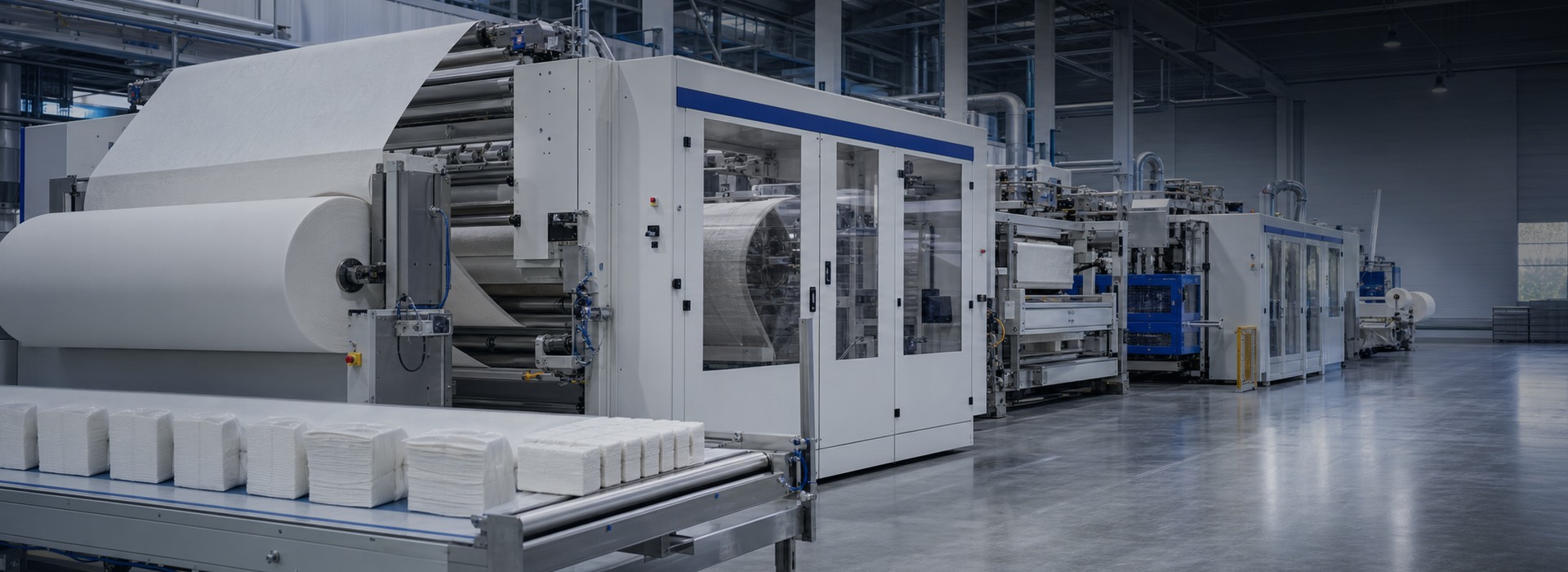
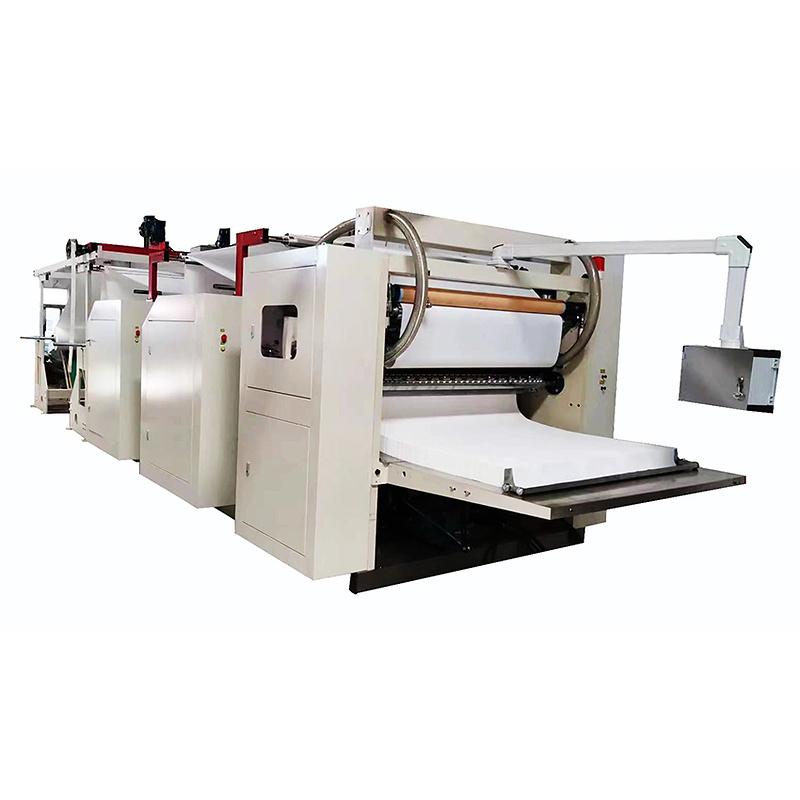
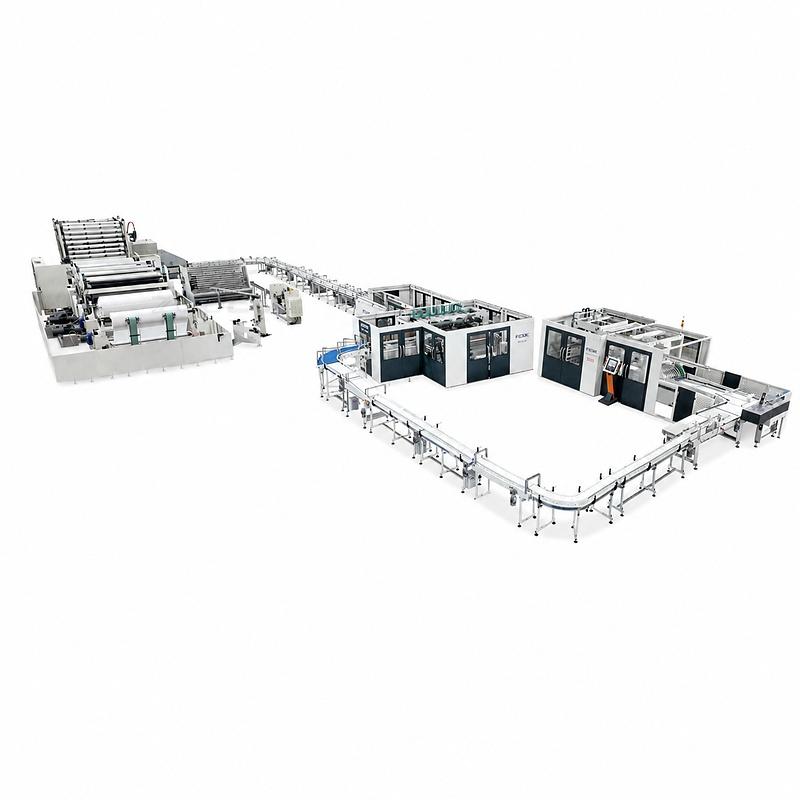
The wider DB-IF-V gallery view provides equipment context. Included product configurations and options remain matters for the technical offer.
Treat dual-product operation as an unanswered question
A buyer planning facial tissue now and hand towels later may reasonably ask about both. The phrase available in IF and HT configurations, however, does not explain how a supplied machine would move between them. It could describe alternative builds. The public description does not provide a verified conversion sequence, a conversion kit or a time allowance for switching those two configurations.
Ask the supplier whether the proposed order supports the second named product at all. If it does, request the specific additional scope, the confirmed product limits and the instructions supplied for that arrangement. If it does not, retain two separate equipment proposals. This question must be answered directly before the future product is included in a capacity plan.
Do not substitute optional size customization for that answer. Changing a finished dimension and changing the named product configuration are different requests. An offer that confirms a particular custom facial-tissue size has answered a geometry question; it has not necessarily answered a hand-towel production question. Keep the supplier's exact confirmation attached to the decision it resolves.
Read optional equipment within the chosen version
The source lists edge embossing, steel-to-steel or steel-to-rubber embossing, glue-laminated embossing and customized patterns as options. A configuration labelled IF or HT still needs its included option scope. Naming a product direction does not make every listed embellishment standard, and selecting a pattern does not establish that all alternative roller systems arrive with the machine.
Ask the supplier to describe the offered product first and list the selected extras beneath it. That order makes an omitted option visible without turning a catalogue option list into an assumed bill of supply. Where two alternatives contain different extras, read the price difference with those inclusions in view. A lower price cannot be attributed to the configuration alone if the proposals describe different equipment.
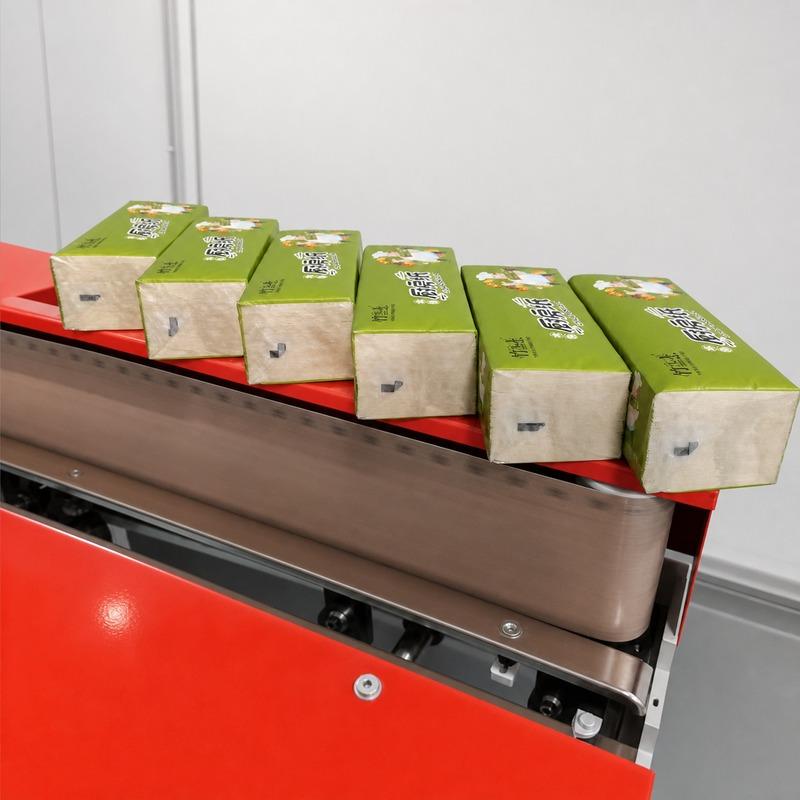
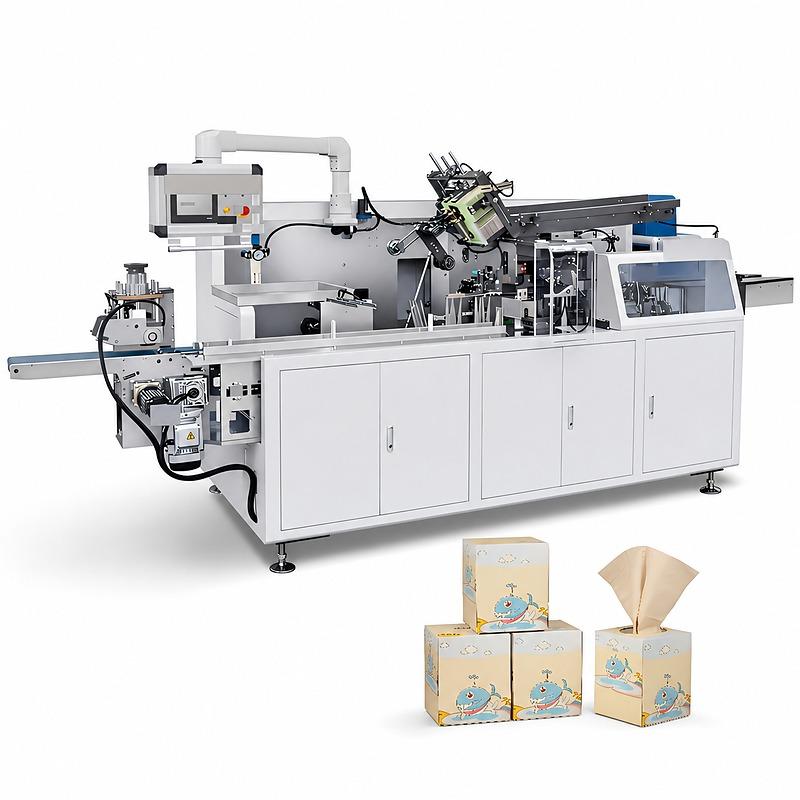
The selected product also remains relevant to downstream supply. The DB-IF-V facial tissue folding machine is a converting reference. A gallery picture of boxes does not establish an included cartoner, retail film wrapper or complete packaging line. If finished retail packs are part of the purchase, that equipment needs its own named supply scope connected to the selected folded product.
Make a correction visible before accepting the price
A configuration difference also changes the meaning of a price comparison. If one supplier response prices IF and another prices HT, there is no like-for-like comparison yet. Return each response with its product identity intact. Request the missing alternative where it is relevant, rather than assigning the cheaper number to both products in the purchasing summary. Otherwise an accounting document can create a dual-product promise that neither technical response actually made.
Separate the base configuration price from any separately offered future scope. A buyer may decide to order one version now and retain another as a later enquiry. That is a legitimate commercial decision. It should remain visible as two decisions, with the future scope outside the current order unless the supplier has expressly included it. A general discussion about expansion is not the same as a priced, confirmed provision.
Suppose an early enquiry asks for facial tissue but a later quotation labels the product HT. Treat this as a clarification requiring a corrected response, rather than silently changing the spreadsheet heading. Ask which product, configuration and rate the quoted price covers. Retain the superseded response so that a drawing, sample reference or option list cannot continue circulating under the wrong alternative.
The same discipline applies when the commercial team asks for both products after the technical proposal is complete. Add the new product as an explicit request. Do not preserve the old price and merely expand its description. The supplier must confirm whether the changed request affects equipment, optional scope or the applicable published figures before the revised offer can be compared fairly.
When an offer uses a different local product name, ask the supplier to connect that wording to its IF or HT designation. Translating the name should not erase the configuration identifier. Keep the explanation with the final technical description so that later purchasing, shipping and commissioning discussions refer to the same version. This small terminology decision helps prevent the original ambiguity from returning after the sales conversation has ended.
Packaged boxes shown in the DB-IF-V gallery are appearance references. They establish neither a supplied packing machine nor a customer production result.
The final purchase description should let someone outside the sales conversation identify the product version without reconstructing it from emails. Name IF or HT, state the corresponding finished product and retain the supplier's selected scope. If operation across both remains unconfirmed, leave it unresolved in plain language. A precise single-product offer is more usable than a broad description whose second product exists only in the buyer's assumptions.



 Tel: +8613908196540
 Email: info@doubletissuemachine.com
 MP/WhatsApp: +8613908196540
 Manufacturer Address:Dongguan, Guangdong, China