A sharply embossed towel is easy to photograph. Absorbency is a different kind of evidence. When reviewing a hand towel machine, keep what the surface looks like separate from what the finished paper has actually been shown to do. This matters when a sample, a machinery description and a proposed sales claim arrive in the same conversation. The pattern may be real, the embossing system may be documented, and the claim about water uptake may still be unproven.
Three statements that need different support
“The towel has a visible texture” is an observation about a particular object. “The machine has steel-to-steel embossing” is an equipment statement that belongs in its specification. “The towel absorbs more water” is a comparison about product performance. Evidence supporting one statement does not automatically support the others. Keep the object, equipment and performance claim identifiable rather than compressing them into the adjective premium.
DOUBLE's DB-C-250 page describes C-fold hand towel production and a steel-to-steel embossing system. It also names customized embossing patterns as an option for discussion. Those facts support an enquiry about producing a selected surface appearance. They do not contain a measured absorbency result for the buyer's paper, a percentage improvement over plain paper or a universal claim that a more visible impression gives a better towel.
A useful supplier discussion can therefore begin with a modest statement: the buyer wants this visible finish, on this paper, while retaining separate requirements for how the towel performs. That formulation gives the machinery team an appearance objective without asking it to certify an untested retail claim.
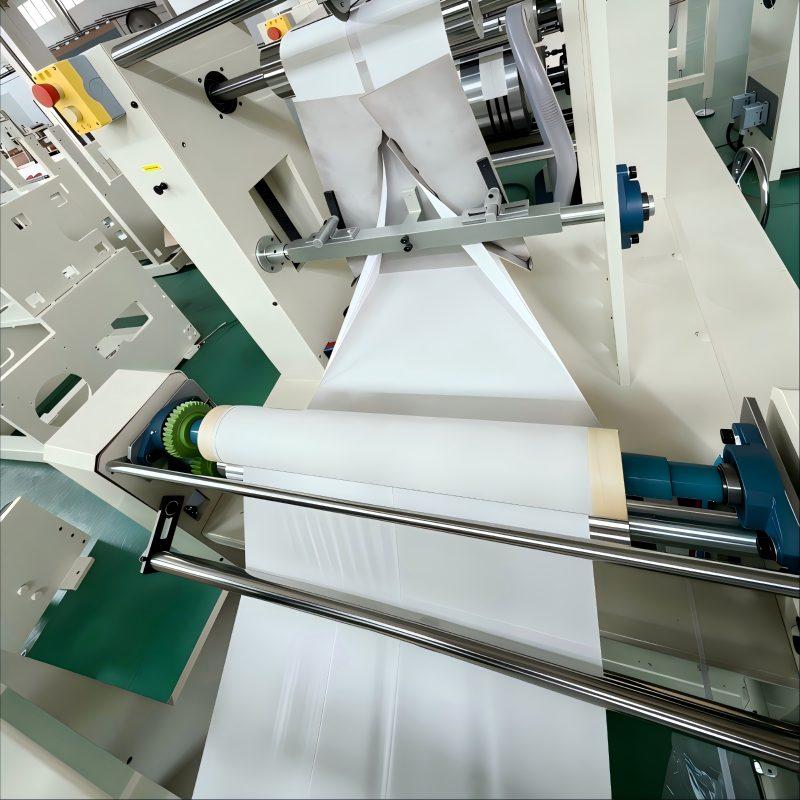
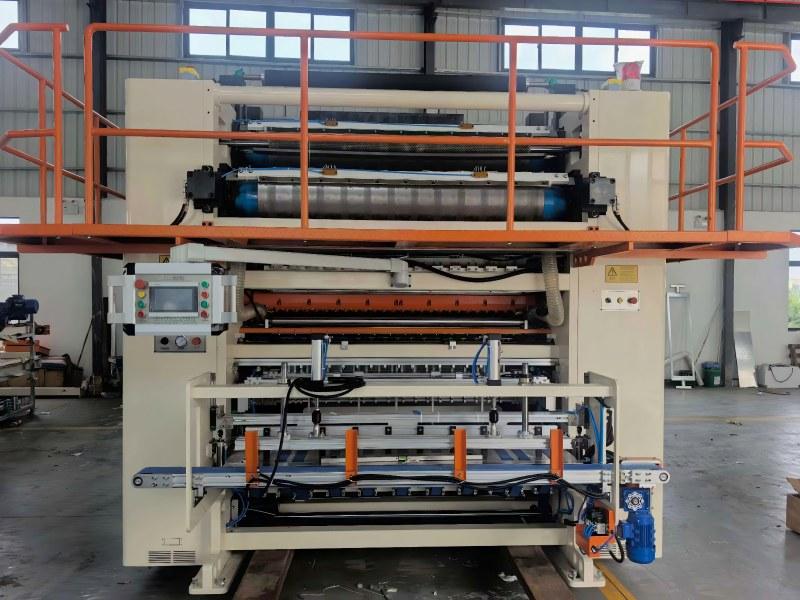
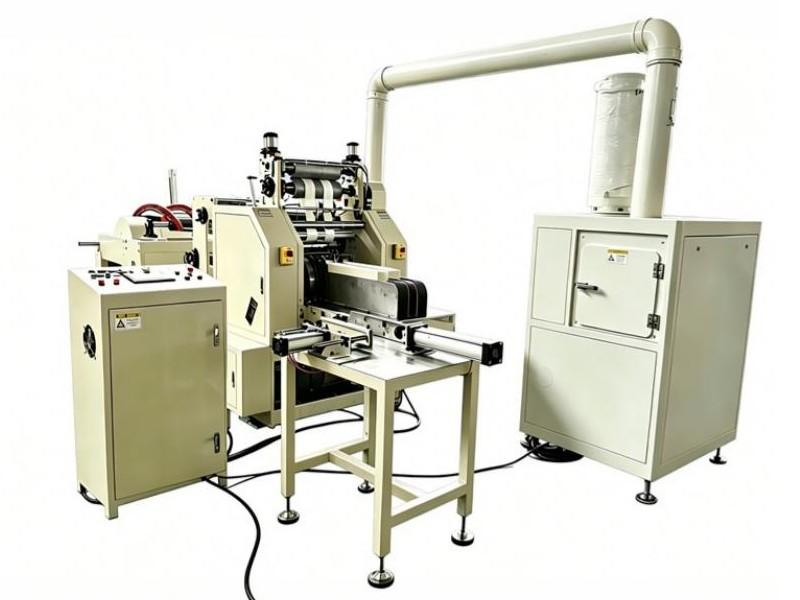
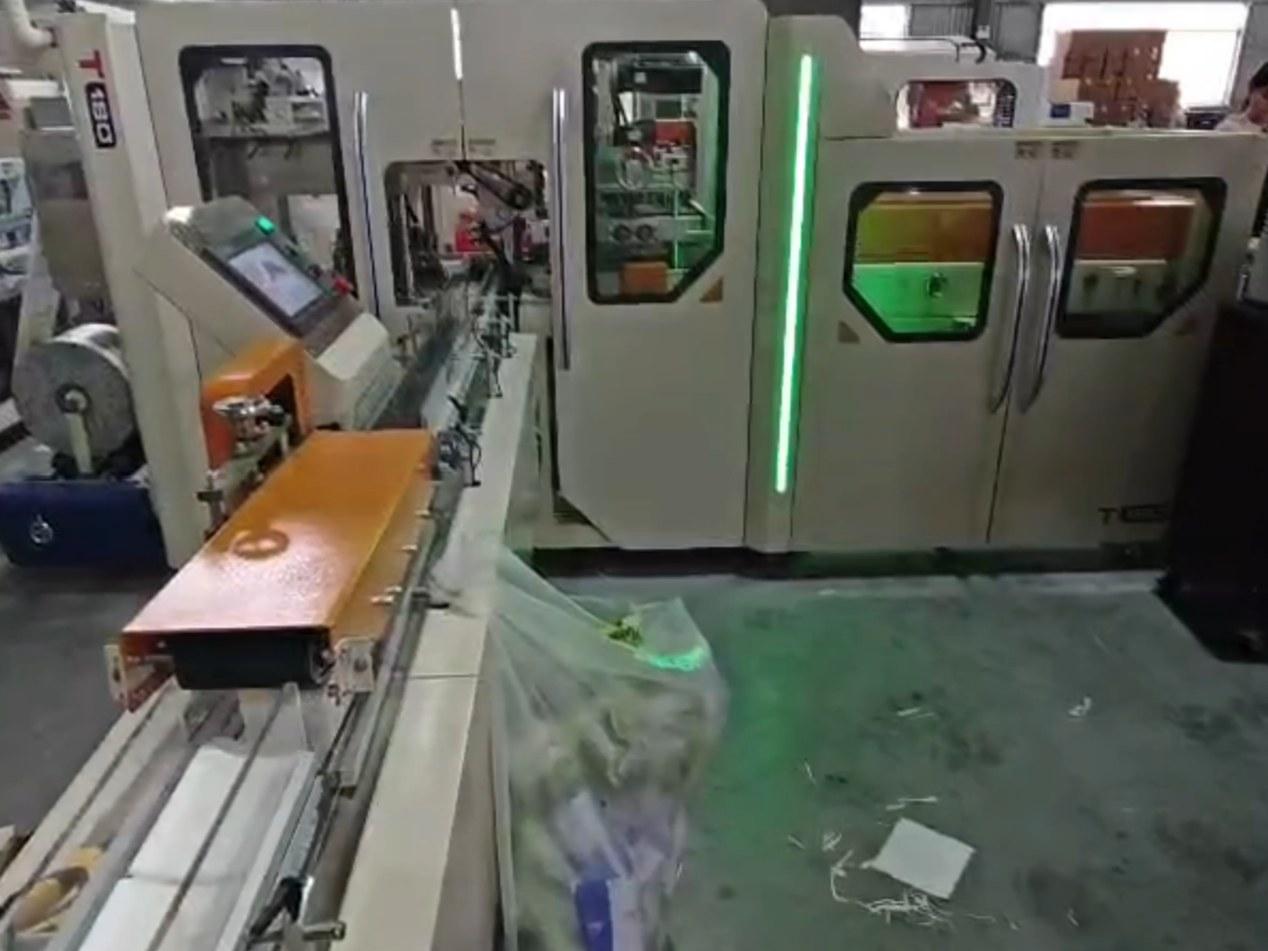
Paper, rollers and guides in the DB-C-250 gallery. This equipment photograph is not a measurement of towel absorbency.
Read a surface photograph for what it shows
A photograph can show a repeated motif, a plain region, an uneven-looking impression or a visible tear in a particular sheet. It cannot tell the viewer how much liquid that sheet holds. Lighting, viewing angle and the size of the displayed image also affect how pronounced a texture appears. Use a close-up to communicate a visual concern, with a physical sample retained when appearance is part of the order decision.
Do not identify the paper grade from its colour or pattern. A white towel in a gallery does not establish its fibre source, basis weight or ply. A coloured stack does not establish a dyeing function on the machine. Those descriptions require their own source information. The photograph remains useful without having to answer questions beyond its visible content.
The same restraint applies to touch. A person may prefer the feel of one identified sample, but that preference is not a liquid-capacity result. If the buyer values feel, describe it as a separate product preference and agree how the purchasing team will judge it. Giving a subjective observation a technical-sounding name would make the evidence less clear.
Evidence available
Reasonable use
Conclusion still open
Surface photograph
Discuss the visible finish on the pictured sheet.
Absorbency, wet strength and material identity.
Machine specification
Identify the named embossing arrangement.
Performance of a particular finished towel.
Physical towel sample
Review the agreed appearance and handling preferences.
A numerical performance claim without an agreed evaluation.
Identified product evaluation
Support the specific property and comparison it actually covers.
Unexamined paper grades, formats or claims.
Define the comparison before promising an improvement
A claim using more, faster or better needs a reference. More absorbent than which towel, made from which paper and compared in what form? An embossed sheet compared with an unrelated product changes several things at once. Even a genuine difference between those two finished samples would not isolate embossing as its cause. Describe the comparison honestly before deciding whether it can support the proposed wording.
The buyer's product or quality team should define the property that matters and obtain an appropriate evaluation method from the responsible specialist. This article does not prescribe a laboratory method or invent an acceptance threshold. Water uptake, speed of uptake and behaviour when wet are not interchangeable labels. An answer to one question should not be reused as proof of another simply because both involve water.
Where a supplier offers a result, ask for the sample identity and the scope of that result. Was the evaluated object the same grade, ply and finished format being purchased? Does the comparison identify its reference product? If those details are unavailable, retain the result as incomplete information. A specific missing connection is easier to resolve than a general argument about whether embossing is good.
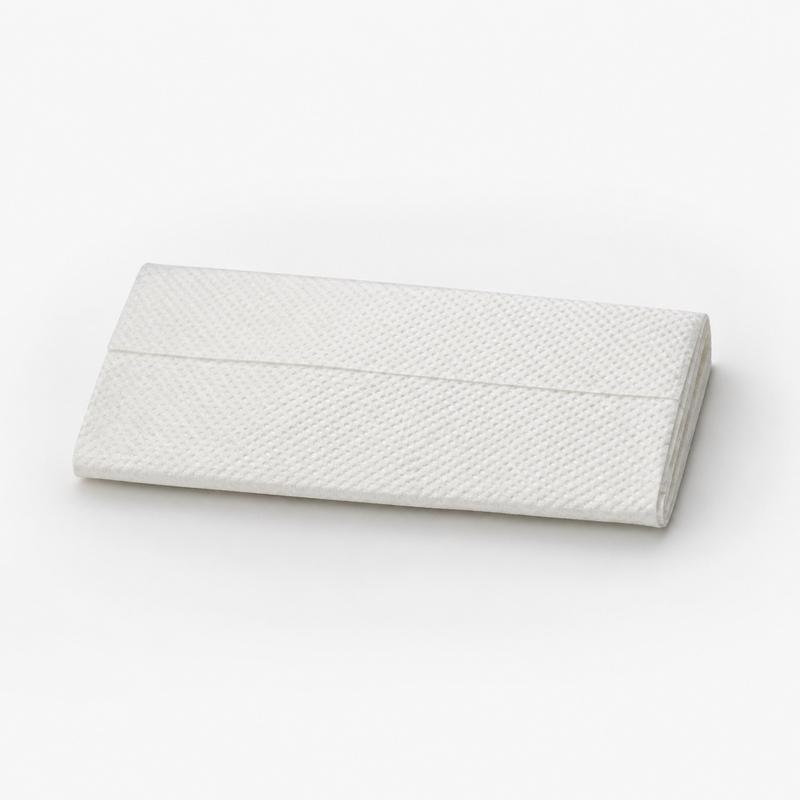
A folded, visibly patterned towel from the DB-C-250 source gallery. Its appearance supplies no water-uptake result or paper-grade identification.
Keep the product identity attached to the finding
Record the paper used for an agreed product review independently of the machine name. A DB-C-250 reference does not identify one universal towel material. The page requests the buyer's paper basis weight and parent-roll information for quotation. Its equipment description cannot replace the mill or supplier information needed to identify a particular input.
If the buyer later changes paper, keep the old finding with the old product. The visual pattern may look familiar while the underlying material differs. The appropriate response is to review whether the existing evidence still applies, rather than assuming that an unchanged decorative motif transfers a performance claim to the new product. This distinction matters even when the machine and tooling remain the same.
A change in commercial sheet format also deserves clear identification. An evaluation of one finished towel is evidence for the object described in that evaluation. It should not quietly become a claim about every size the business intends to sell. Ask the responsible product team which relationships have been established and which remain proposals. Avoid changing the basis of a comparison after seeing an attractive result.
Let the sales wording follow the evidence
Consider a development team that receives two samples labelled plain and embossed. Those labels alone do not establish a controlled comparison: the papers may differ, their construction may differ, and their preparation may be undocumented. Before discussing a claimed improvement, ask which differences are known. If the relationship between the samples is unknown, describe two sample observations without assigning the difference to the machine's embossing system.
This restraint does not make the samples useless. They may help the buyer choose an attractive finish, identify a preferred feel or explain a customer-facing product idea. Each is a useful input to development. The limitation is the inference drawn from them. A preference between two samples can guide a request for further evaluation without already proving why they differ or how another paper will behave.
Separate a descriptive claim from a performance claim in the product brief. Describing an identified towel as embossed tells the buyer about its surface. Describing it as more absorbent adds a comparative promise. The second phrase needs evidence for the comparison being made, rather than a larger photograph of the first. Machinery specifications alone do not decide what the tissue brand can substantiate.
Also distinguish an internal development aim from a verified product statement. The business can aim to improve absorbency and discuss how to assess candidate papers. That aim should remain an aim until the relevant evidence exists. Presenting it prematurely as an achieved machine benefit creates confusion between the requested product outcome and the equipment already documented.
The DB-C-250 C-fold hand towel paper machine provides the concrete converting reference for this discussion. Its disclosed system and optional pattern scope are reasons to ask about the intended towel. They are not a shortcut around the separate evidence needed for a finished-product claim. Ask the supplier to confirm its offered configuration, while the buyer retains responsibility for resolving the product claim through the appropriate review.
Where a report covers one property, preserve its actual wording when summarizing it for sales. Do not replace a narrow finding with a broader phrase such as superior performance. If the report's scope is unclear, seek clarification from its author or the responsible product specialist. The machinery proposal can continue while this question is open, provided the unresolved product statement does not become part of the promised machine result.
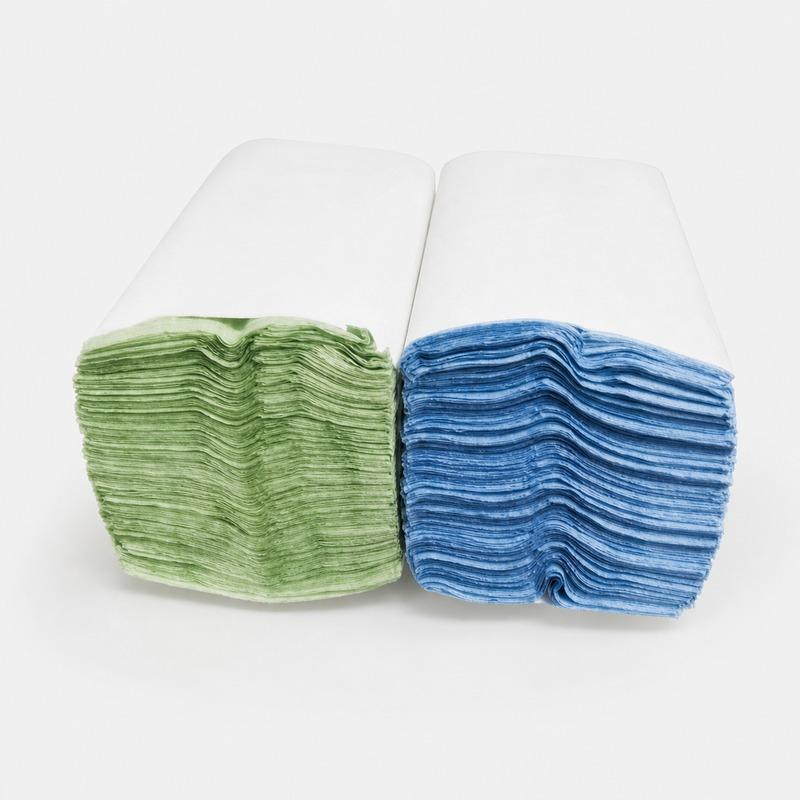
Coloured folded samples shown in the source gallery illustrate presentation only. No dyeing capability, hygiene property or tested absorbency is inferred.
Two approvals can legitimately finish at different times. The team may accept the surface appearance while leaving a performance statement pending. Record that distinction so that a visual approval cannot be mistaken for permission to publish the stronger claim. The final decision becomes easier to explain: the equipment scope describes the selected embossing, the sample records the accepted appearance, and any stated product performance rests on evidence that actually addresses it.



 Tel: +8613908196540
 Email: info@doubletissuemachine.com
 MP/WhatsApp: +8613908196540
 Manufacturer Address:Dongguan, Guangdong, China