Dual-deck output and side discharge describe different aspects of a napkin machine. One names an output arrangement; the other describes a direction. DOUBLE's DB-NK-260 listing uses both kinds of information, so an enquiry should preserve both. Selecting side discharge does not by itself specify the deck arrangement, and seeing two delivery tables does not identify which directional option is included in a quotation. The useful buying answer is a named combination that the supplier has confirmed for the requested napkin.
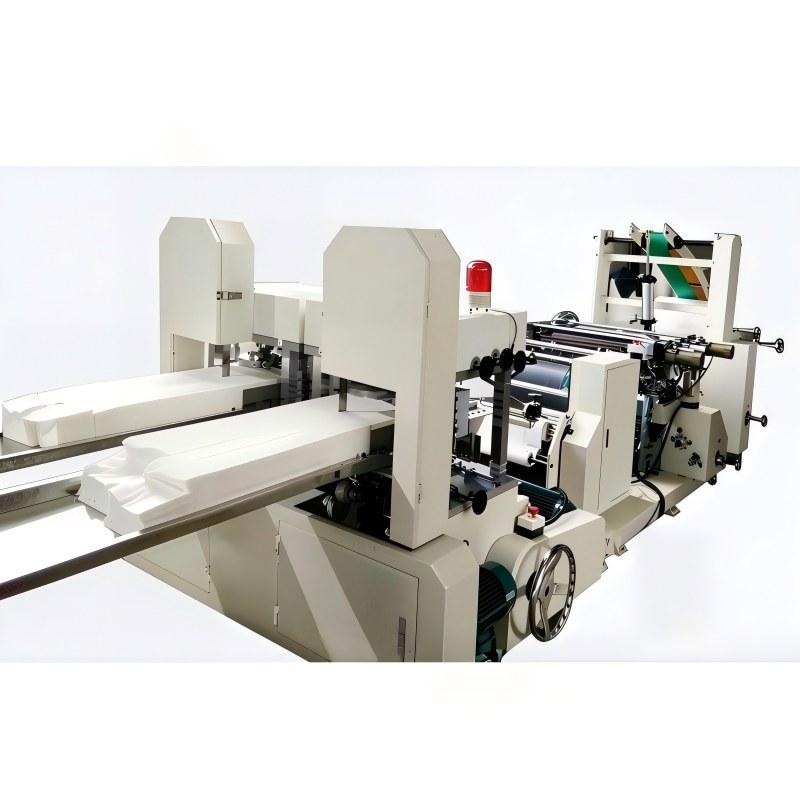
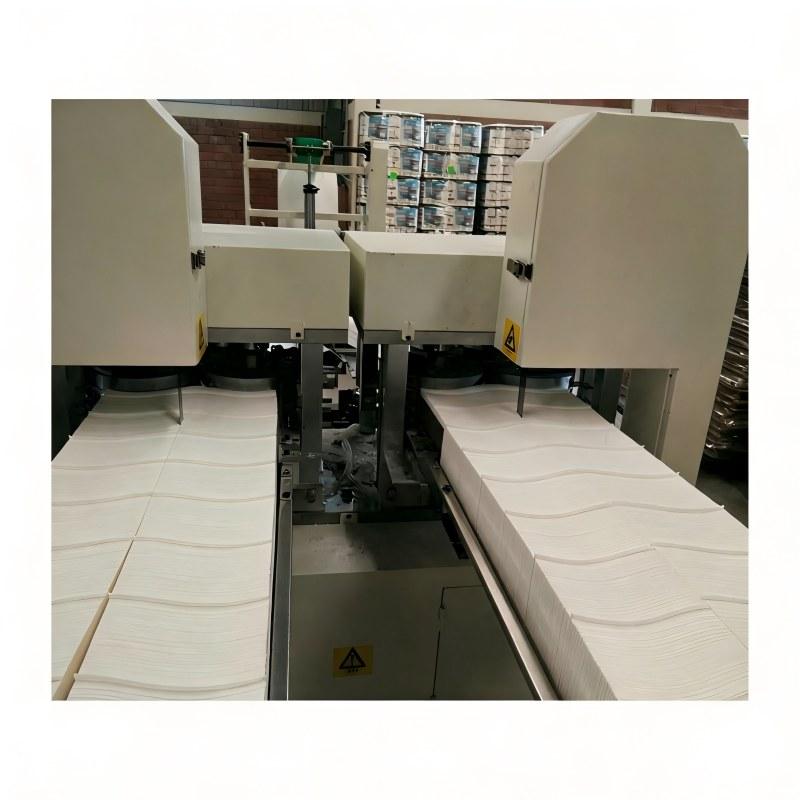
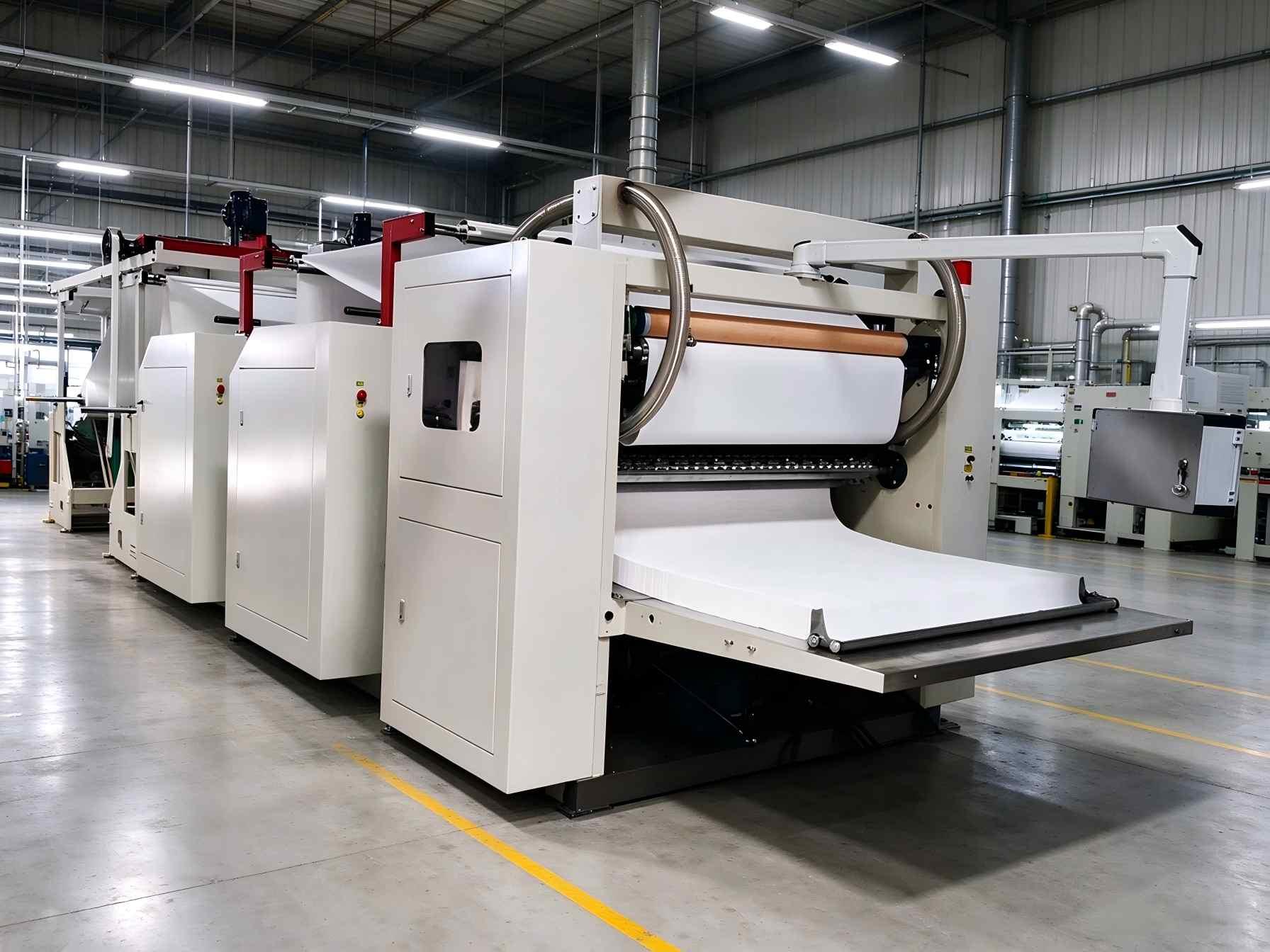
The DB-NK-260 gallery shows paper on two delivery tables. The pictured arrangement does not settle every available discharge option.
Give the arrangement and direction separate fields
The product specification names dual-deck output and says front or side discharge is optional. Keep the output method in one field and the selected discharge in another. If a response says only side output, ask the supplier to complete the missing arrangement field. If it says only dual deck, the direction remains unselected. A short answer can be accurate yet incomplete.
This separation is particularly helpful when commercial quotations shorten the technical wording. A sales summary may use output as a heading for several choices. That is not necessarily an error, but the accepted specification should explain what was selected under it. Otherwise two quotations with the same abbreviated heading may describe different arrangements.
Offer wording
What it names
What it leaves unresolved
Dual-deck output
The published output arrangement.
The selected front or side discharge.
Side discharge
A proposed direction of output.
The complete arrangement and its supplier-defined reference.
Customized output direction
An available discussion about the ordered version.
Which specific choice is included and approved.
These fields describe the offer, rather than establish a production multiplier or a counting convention. There is no need to turn deck terminology into an output calculation to choose a direction. The supplier can name the physical arrangement directly, with any product restrictions stated beside it.
Do not combine every optional phrase into one build
The DB-NK-260 description also lists customized left/right or upper/lower output. Its technical table uses front/side discharge. These phrases need supplier reconciliation for the actual proposal; they should not be treated as proof of a machine that supplies every direction simultaneously. An option list establishes subjects available for discussion, not a complete configuration already selected for the buyer.
Ask the technical response to retain the supplier's terms and explain how they relate. Does left or right identify a version of side discharge in this offer? Does upper or lower describe another proposed arrangement? The public page does not answer those combinations in enough detail to select them on the supplier's behalf. Leave the relationship open until the returned specification resolves it.
A buyer can express a preference without pretending the configuration has already been confirmed. For example, the enquiry can ask whether the supplier offers the required product with discharge on the requested side. The response should then identify what is included, what differs from the standard description and what remains subject to review. This is clearer than converting a preferred arrangement into an asserted machine capability.
Where the supplier proposes an alternative, compare its description with the original request. A change from front to side, or from one named custom choice to another, should remain visible. Do not accept a general phrase such as flexible output as a replacement for that explanation. Flexibility is useful only when the offered choice is identifiable.
An optional direction also should not be described as an operator-selectable mode unless the supplier confirms that scope. Availability for order and availability to change during use are different promises. If the buyer expects to move between two directions after installation, make that a separate question. The public option list does not establish a reversible mechanism, a conversion procedure or a changeover time. A fixed supplied arrangement may still satisfy the purchase, provided it is the arrangement the buyer intended.
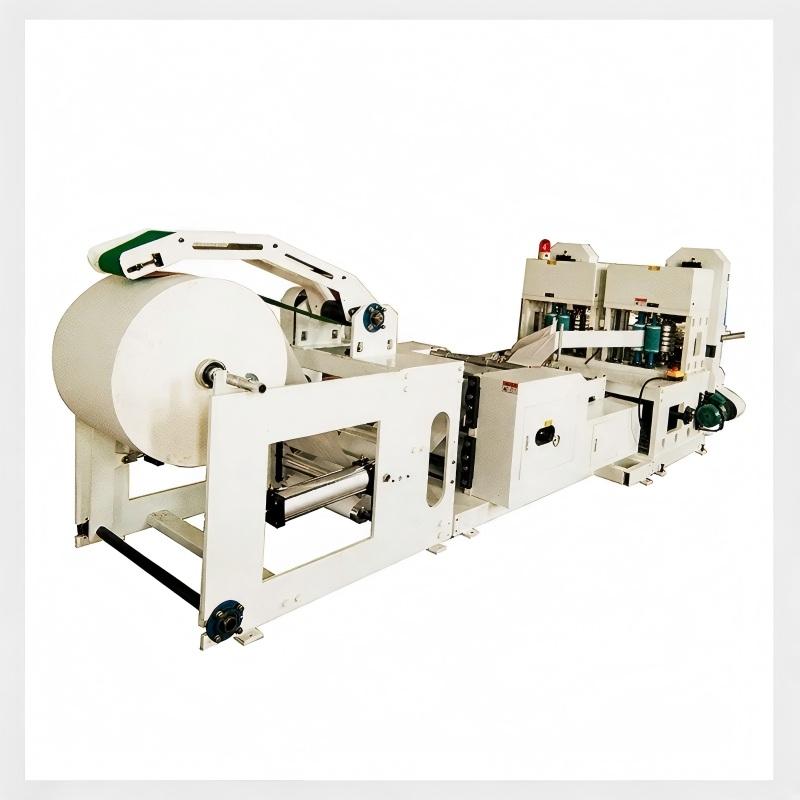
The unwind-end view gives another perspective on the DB-NK-260 gallery equipment. A viewing position needs to be stated when directional words are used.
Agree the meaning of front, side, left and right
Directional terms are meaningful only with a reference. Two people standing at opposite ends can reasonably use opposite left/right descriptions. Ask the supplier to identify the reference used in its returned arrangement, such as a labelled machine view. Use that same reference in the commercial specification instead of relying on a familiar photograph with an unstated viewing direction.
The immediate task is language clarity, rather than a complete factory layout exercise. A labelled supplier view can show which end or side its terms describe. It should also distinguish the direction of product delivery from the camera's position. A photograph taken from the front does not establish that the ordered discharge is called front discharge.
Keep translations consistent. If one document says left output and another says side discharge, ask whether they refer to the same selected version. Do not silently replace one with the other because the words appear similar. Retain the supplier's confirmed equivalence, or record the difference where they name different choices. This prevents an avoidable terminology dispute from surviving into the purchase order.
Keep the selected napkin with the selected arrangement
The DB-NK-260 napkin paper machine is presented for quarter-fold paper napkins. Its published size example is 260 × 260 mm unfolded and 130 × 130 mm folded, with the stated ±2 mm dimensional entries. Customized finished sizes and folding choices are also listed. These choices need to be attached to the particular output arrangement being offered.
Do not take confirmation of one quarter-fold product as confirmation of all customized folds and directions together. A request for one-sixth or one-eighth folding is an additional product request. Ask whether the supplier's returned output arrangement applies to that product, rather than carrying forward a previous direction selection without review. The page's option list does not supply a validated matrix of every fold and output combination.
The same point applies if the buyer is collecting several product alternatives in one enquiry. Name the arrangement against each quoted version. A single general output paragraph can conceal whether all alternatives share it or only one has been reviewed. There is no need to demand identical arrangements where the supplier proposes a difference; the requirement is to make that difference explicit.
Use the gallery to ask a question, not finish the specification
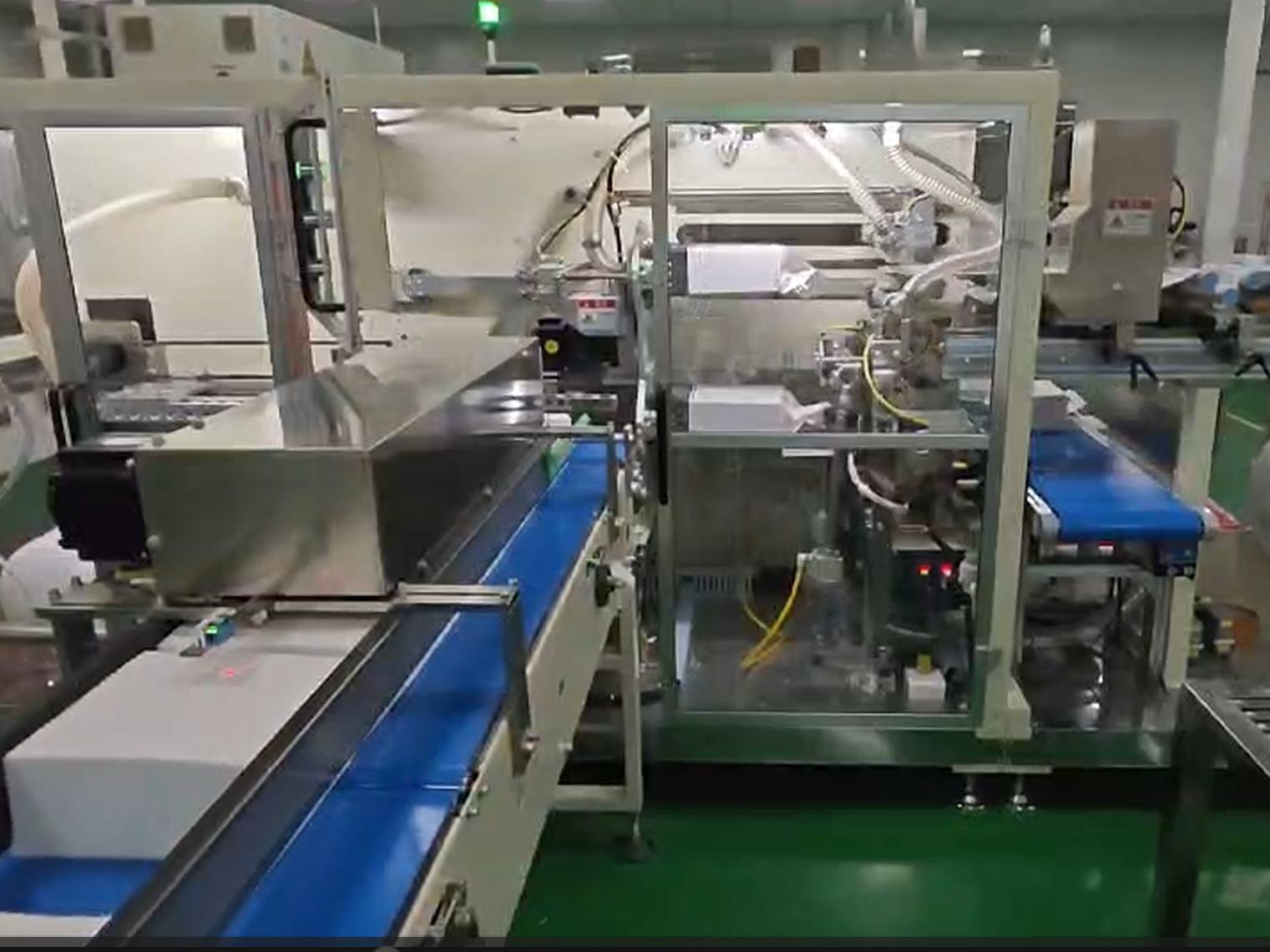
The source photographs are helpful for recognizing equipment context and visible delivery surfaces. They do not show the complete set of alternatives described in the text. Repeating one view in a quotation does not establish that the pictured arrangement is the selected custom version, and a close view of a paper stack cannot identify concealed equipment scope.
Ask the supplier to label whether an illustration represents the quoted arrangement or simply the model family. If it is illustrative, keep that label with the image when forwarding the offer internally. Purchasing staff should not have to guess whether a photograph or a written option takes precedence. A mismatch should be returned for clarification rather than resolved by choosing whichever looks more convenient.
Price each alternative under its complete description
Where the buyer requests two directional alternatives, ask for the complete arrangement against each price. A commercial line called option A or option B is easy to confuse once the technical attachment has been separated from the quotation. Use the selected product, arrangement and supplier-defined direction in the alternative's name. This is a purchasing description, not an assertion that either alternative has been installed or demonstrated.
Also ask whether the quoted illustration changes between those alternatives. The supplier may use one general gallery image for both, which is acceptable as illustration if it is clearly labelled. It is unsuitable as the only definition of their difference. A brief written explanation can carry the selection more reliably than two unlabelled pictures that appear similar from different camera positions.
If the final choice changes during negotiation, identify the accepted alternative explicitly. Retaining both prices in an internal comparison does not mean both arrangements are included in the order. Close the unselected alternative in the commercial description and preserve it as history. This prevents an earlier optional direction from being mistaken for an additional delivered feature when the equipment reaches the buyer.
Visible stacks and delivery tables in the manufacturer's gallery. Their appearance is not evidence of a selected custom direction or independently supplied product streams.
A complete response can remain compact: the supplier names the product, its output arrangement, its discharge option and the reference used for directional language. Attach the confirmed illustration where one is supplied. When a choice is revised, update these connected fields together and retain the replaced version. That gives the buyer a definite physical configuration to purchase without making the word deck perform the unrelated jobs of a direction, a product count or a promise of every optional arrangement.



 Tel: +8613908196540
 Email: info@doubletissuemachine.com
 MP/WhatsApp: +8613908196540
 Manufacturer Address:Dongguan, Guangdong, China