An export packing-machine order needs an agreed electrical version, not a destination name written beside a catalogue photograph. A factory can have a different voltage or frequency from the reference listing, and its compressed-air provision remains a separate question. For the DB-IF-180P, DOUBLE publishes a reference supply and offers export electrical customization. The useful purchasing decision is which version the supplier will actually deliver and which site information that decision depends on.
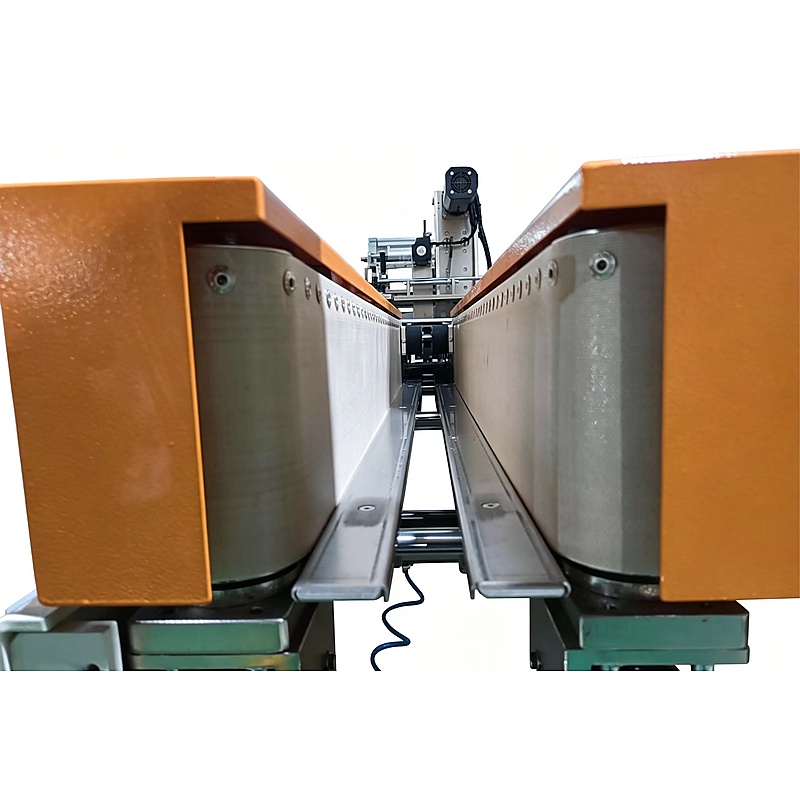
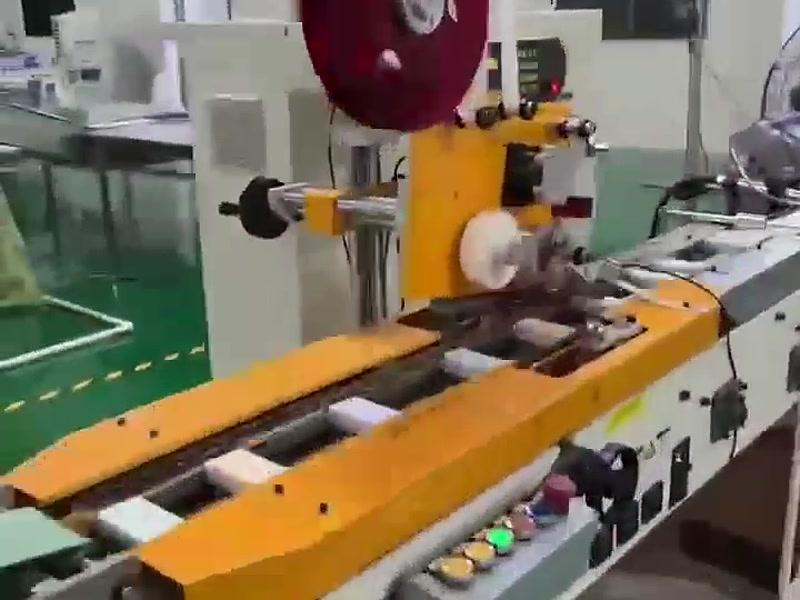
A genuine DB-IF-180P gallery detail. Belts and housings are visible; the photograph does not identify an export voltage or a delivered electrical version.
The reference listing is the opening position
The DB-IF-180P facial tissue soft packing machine page lists 380 V / 50 Hz, total power of 19 kW and compressed-air pressure of at least 0.5 MPa. It separately lists voltage and electrical configuration for export markets as an option. Keep both statements in view: there is a published reference, and a different electrical version requires its own supplier confirmation.
An available customization option does not define every voltage the manufacturer can supply. Nor does it establish that an alternative is included in the starting price or can be selected after the equipment has been built. Request the version required for the actual project and let the supplier state its scope, price and confirmation conditions.
The public entry does not give a phase designation for this model. A neighbouring machine's three-phase specification cannot fill that gap. Phase, connection arrangement and the other information needed by the site's electrical professional belong in the returned documentation for the quoted DB-IF-180P build.
Likewise, retain the word total beside the published 19 kW rather than renaming it as measured consumption. The figure does not select a site cable or protection device. This article concerns the identity of the ordered electrical version; it does not turn a catalogue rating into an installation design.
Give the supplier the actual receiving site
Start with the factory where the machine will operate. A distributor's office address, the import port and the installation address can be different. A country label alone is not a sufficient description of the supply at that factory. Have the responsible site representative provide the available voltage, frequency and connection information.
If the factory has several electrical supplies, identify the one proposed for this machine. Avoid sending a broad list and leaving the machinery supplier to guess which entry purchasing intends. Where site data is still preliminary, mark it as preliminary and identify when the confirmed information will be available.
Frequency deserves its own field. An enquiry that changes the voltage but silently retains 50 Hz has not necessarily described the receiving site. The supplier must review the requested combination and return a definite response. The buyer should not infer compatibility from a statement that the machine has servo control.
Send site documentation through the people responsible for interpreting it. A translated utility bill or a photograph of an unrelated outlet can be useful background, but neither should become an improvised machine connection specification. Ask the site team for the information the equipment supplier requests and keep any uncertainty visible.
Order question
Evidence to obtain
What remains separate
Which electrical version is requested?
Confirmed receiving-site supply information
Catalogue reference conditions
Which version will be delivered?
Supplier's accepted order configuration and applicable documents
Unaccepted alternatives discussed during quotation
What compressed air is required?
Build-specific pressure and other service requirements
Voltage and frequency selection
Read the export option as a response to a request
A useful supplier response names the requested voltage and frequency, states whether the proposed configuration meets them and identifies any qualifications. A generic sentence saying export standard is available leaves the central choice unresolved. Ask for the exact accepted version in the quotation rather than relying on the option's existence on the website.
Distinguish a confirmed offer from a question under engineering review. Commercial staff may acknowledge the request before the electrical configuration is settled. That acknowledgement is useful progress, but it should not be copied into the purchase order as an unconditional technical acceptance.
Where several alternatives are quoted, keep each alternative identifiable until one is selected. Do not combine the price from one version with the supply description from another. The selected quotation revision should make clear which electrical arrangement belongs to the equipment being purchased.
Request clarification if the returned version differs from the request. The buyer's site team should review the difference with the machinery supplier before accepting it. A destination-specific label or an assurance that adaptation is easy does not explain what will be supplied or who is responsible for compatibility.
Ask whether the accepted export version changes any of the other order information being relied on. The supplier should identify the applicable rating and documentation for that version, rather than leaving the buyer to assume every reference-page field transfers unchanged. Preserve the answer even when the supplier confirms that a particular item remains the same.
Commercial deadlines should follow that distinction. If purchasing needs to reserve production capacity before the site answer is complete, the order can identify the unresolved electrical selection and the supplier's required decision date. The team must agree those terms directly. Do not substitute a tentative voltage merely to make an early order form look final.
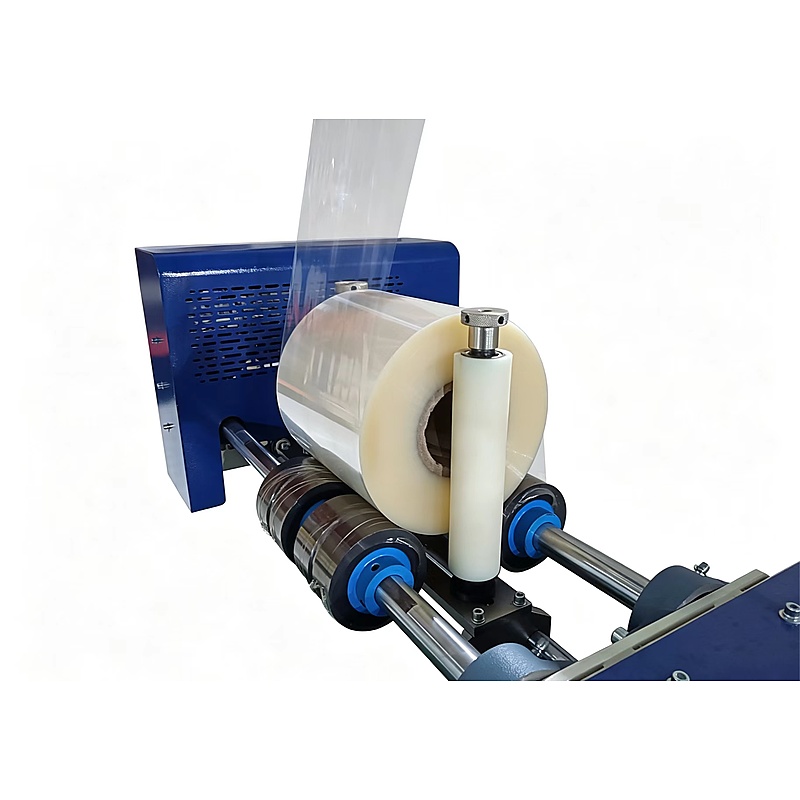
The source gallery shows film and guide rollers. It illustrates the wrapping equipment, without showing an electrical nameplate or proving site compatibility.
An electrical answer does not answer the air question
The published compressed-air entry is a pressure requirement of at least 0.5 MPa. It does not provide an airflow figure for this model. Leave the missing flow information open and request the requirement for the ordered build. Copying a value from another tissue machine would create an unsupported service requirement.
Ask where the supplier's stated pressure applies and what additional air information the site needs to provide. The relevant parties should settle the supply boundary and required air quality through the order documents. The public pressure value alone cannot establish the suitability of the factory's compressor or distribution system.
Keep the answer connected to the same selected equipment version. If the proposal adds a separately supplied unit, ask whether that unit needs its own services. An accepted electrical configuration does not mean every air requirement for the assembled project has also been reviewed.
A project can therefore have two different states at the same time: the export electrical version may be confirmed while air-service detail remains pending. Recording those states separately lets purchasing see what is actually agreed. It prevents a general utilities approved note from concealing an unanswered question.
Keep the chosen version attached to the order
Once the supplier accepts the requested version, include that identity in the machinery order. Refer to the governing quotation and document revision rather than repeating an abbreviated country code. The accepted voltage and frequency should remain visible to purchasing, the site team and the supplier preparing the equipment.
The supplied scope also matters. Coding and other options discussed with the wrapper should be identified as included, separate or pending, as applicable. Request the relevant service information for any separately supplied equipment. Do not assume an option shares the main machine's connection requirement merely because it appears in the same commercial conversation.
If the installation moves to another factory before shipment, return the new site information for review. A machine version accepted for the original site is not automatically accepted for the new one. The same applies when the site changes the intended supply after the order has been placed.
Record the supplier's response to a change before replacing the order description. Otherwise, the buyer may expect a revised version while the factory continues building the previously accepted one. The purpose of the record is to keep those two expectations aligned, without asking either team to infer an agreement from an informal message.
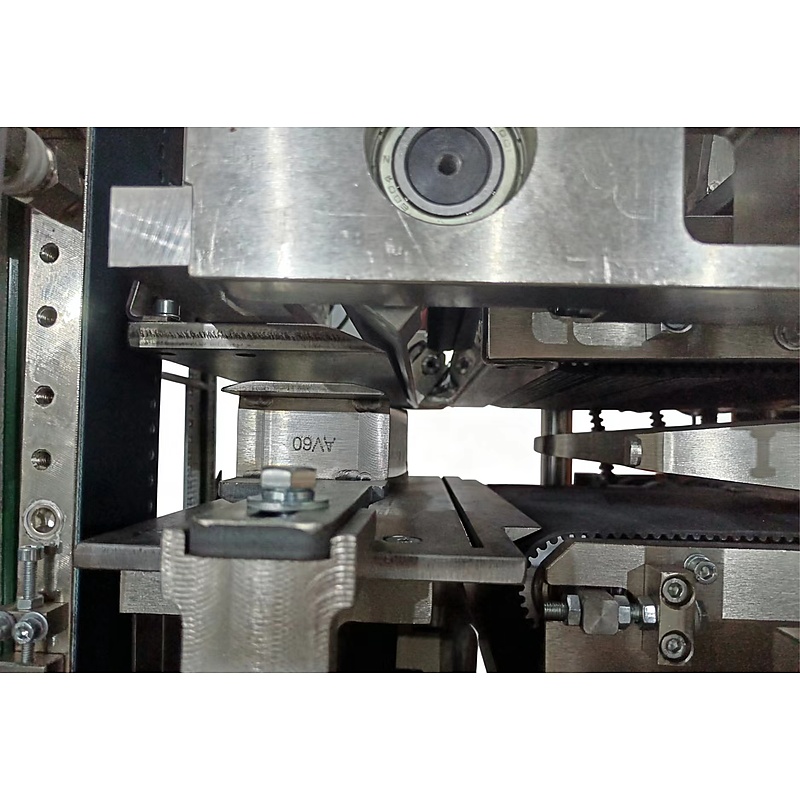
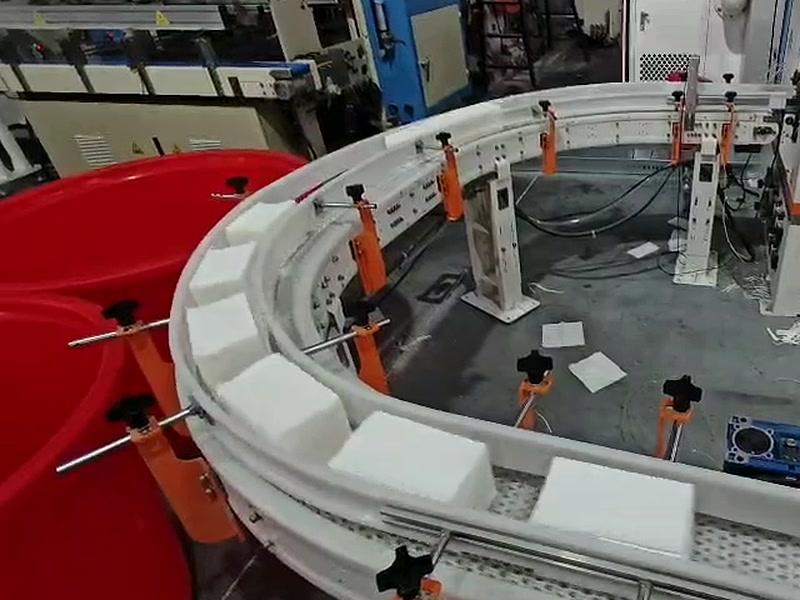
A further equipment detail from the same gallery. Mechanical appearance does not resolve the power, phase or compressed-air requirements of a specific export order.
Review what the supplier releases for delivery
Before dispatch, ask for the applicable identification and connection documents for the supplied version. Compare the accepted order description with the supplier's returned information, including the equipment identity and document revision. This is a proposed document review, not a claim that a particular machine has already passed an electrical inspection.
Refer a mismatch to the responsible supplier and site professional. Do not resolve it by editing a nameplate photograph or assuming that a generic manual takes precedence over the agreed build. The supplier should explain which information governs and provide the appropriate correction where needed.
Distributors should pass the accepted version to the final receiving factory without shortening it back to a country label. The organization importing the machine may understand the quotation history, while the people preparing its services do not. Providing the governing information with the equipment identity avoids making that receiving team reconstruct the selection from an old sales conversation.
The resulting export order should say which DB-IF-180P electrical version is supplied and which site data was accepted. Its air requirement should have a separate, identifiable response. Those two decisions let the buyer prepare the site from confirmed information while retaining the published catalogue figures in their proper role as preliminary references.



 Tel: +8613908196540
 Email: info@doubletissuemachine.com
 MP/WhatsApp: +8613908196540
 Manufacturer Address:Dongguan, Guangdong, China