For an unwind proposal, supply the parent roll as a defined incoming material: outside diameter, web width, core inside diameter, maximum roll mass, paper identity and winding condition. Add the way rolls will reach the machine. Those details let the supplier review both the stand and the material handling around it. A finished facial tissue sample remains useful, but it cannot reveal a roll's core, mass or winding direction. Put the roll information in its own record before treating an unwind configuration as settled.
The physical envelope is more than diameter and width
Record the largest roll the purchasing team intends to receive, rather than a typical roll chosen for convenience. Include the maximum mass declared by the paper supplier. Diameter and width describe the envelope, but they do not by themselves establish the loading requirement or compatibility with the proposed stand. The machinery supplier should confirm its limits in writing for the actual ordered configuration.
Measure the core inside diameter separately from its outside diameter. Describe its material and any relevant supplier specification. A label saying large core is not an adequate connection detail. If rolls arrive from several mills, list each core arrangement and ask which can be accepted directly. Do not assume that an adaptation for one roll supplier also covers another.
Show how the web leaves the roll when mounted. A small sketch can indicate the roll orientation, the paper face and the intended path to the machine. Where paper has an embossed or otherwise distinguishable face, mark it clearly. This prevents a discussion about winding direction from depending on ambiguous descriptions such as forward or reverse.
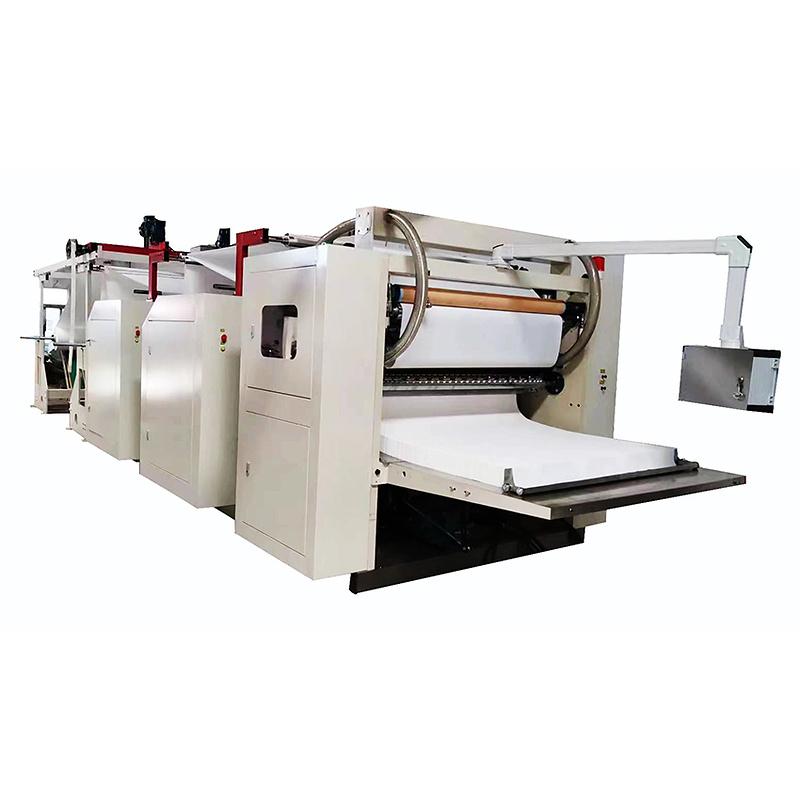
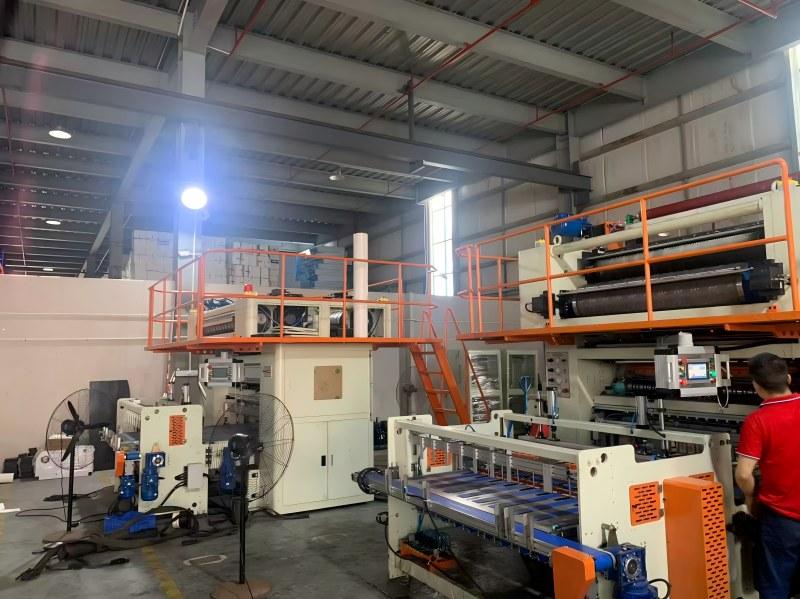
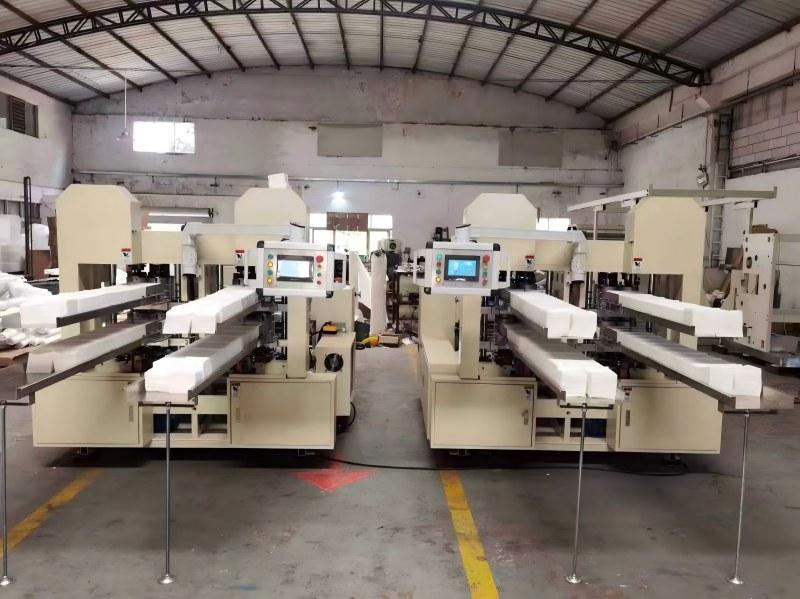
The published DB-IF-V view provides machine context; parent-roll compatibility requires its own supplier confirmation.
Identify the paper behind the roll dimensions
Specify the paper grade, basis weight and ply arrangement, using the mill's product identification where available. State whether the incoming rolls contain separate webs to be combined or an already arranged material. A finished product described as two-ply does not by itself explain what each unwind receives. That distinction belongs in the enquiry because it affects how the planned material enters the converting process.
Keep paper identity attached to the roll measurements. A spreadsheet with one overall roll-size range and a separate list of grades can accidentally imply that every grade exists in every listed size. Use one row for each actual supply combination. If purchasing plans to change mills, present that as an additional combination requiring review rather than silently widening an existing range.
Ask the paper supplier to describe available information on winding quality, edge condition and splices. Send representative material when the machinery supplier requests a trial. A short paper sample is useful for inspection, while a roll lets the proposed arrangement be evaluated through changing diameter and real winding conditions. The supplier should determine the amount and form of material needed for that evaluation.
Build a procurement sheet that separates known and pending data
Record group
Buyer or mill information
Supplier response to obtain
Roll envelope
Maximum diameter, width and declared mass
Accepted limits for the ordered unwind and loading arrangement
Core
Inside diameter, material and supplied specification
Mounting arrangement and any adaptation required
Paper
Grade identity, basis weight, ply supply and representative samples
Material combinations covered by the proposal or needing trials
Winding
Web orientation, edge observations and splice information
Requirements for incoming roll condition
Handling
Roll delivery route, lifting method and available access
Loading scope and site preparation responsibilities
Mark missing data as pending rather than entering an assumed value. A preliminary machine discussion can continue while a mill confirms roll mass or core details, but the open item must stay visible. Assign a person to obtain it and identify which part of the proposal depends on the answer. This prevents an estimate from becoming an unnoticed purchase commitment.
Use one unit for each dimension and make conversions explicit. A paper supplier's inch-based core description and a machine proposal in millimetres should be reconciled before ordering. Record the original declared value as well as the agreed converted specification. The supplier can then verify the intended fit instead of being asked to infer whether a rounded figure represents a different core.
Finished paper appearance and incoming roll data answer different questions. Keep both in the project record.
Clarify what independent unwinds mean for the project
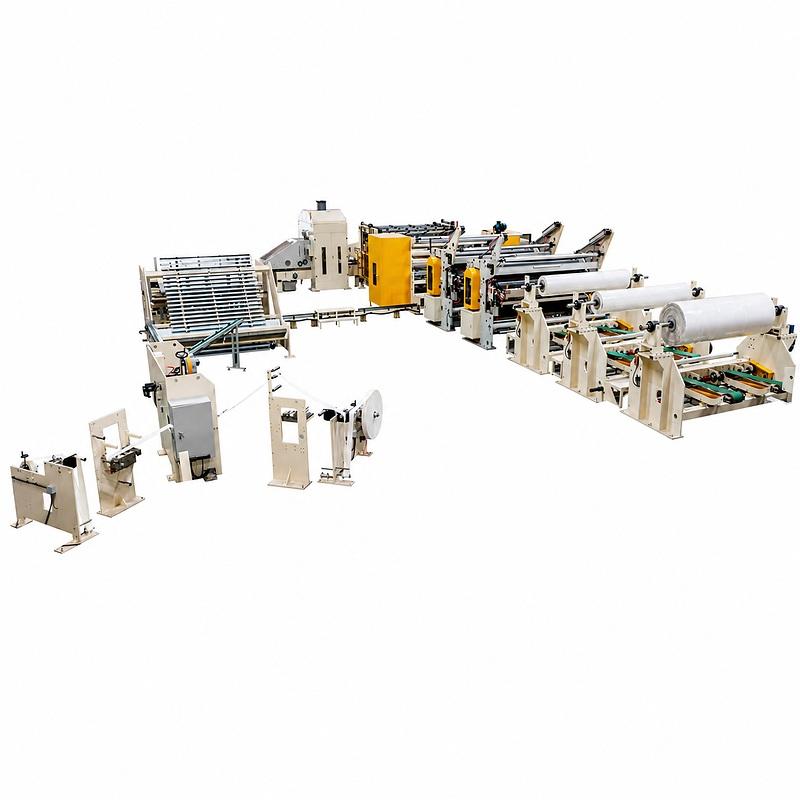
The DOUBLE DB-IF-V facial tissue folding machine description lists independently driven jumbo-roll unwinding stands and IF and HT configurations. It also requests jumbo-roll diameter, width and core inside diameter for quotation. These details support a product-specific enquiry. They should not be expanded into an unconfirmed claim that roll changes are automatically continuous or that every supplied roll can be accepted.
Ask how the planned paper supply is distributed across the stands. Identify which rolls run together and how their replacement is organized. If uninterrupted production during a roll change is a project requirement, request an explicit description of the proposed scope and sequence. The presence of more than one unwind does not settle that requirement on its own.
Separate the unwind control discussion from the finished sheet requirement. The supplier may need to review the paper's response in the proposed web path, while the product drawing establishes cutting and folding geometry. Keeping those conversations connected but distinct makes it easier to see whether an issue belongs to incoming material, web handling or the finished format.
Describe the route from receiving area to stand
Provide a site sketch showing where parent rolls are unloaded, stored and moved to the machine. Mark doorways, travel direction, floor restrictions and the loading side. A stand that fits inside the machine area can still be difficult to supply if the largest roll cannot follow the planned route. Check that route with the declared roll envelope and the handling equipment selected for the site.
Name who supplies the handling equipment and who checks its suitability. Do not let a general phrase such as roll loading included conceal the boundary between the unwind mechanism and the equipment used to deliver a roll to it. The quotation should make that boundary visible. Lifting and loading procedures must follow the equipment supplier's instructions and the site's approved handling practices.
Consider access during normal production, when another roll or pallet may already occupy the nearby area. The layout should allow the agreed loading operation and preserve required access to the machine. A drawing with only the machine outline leaves the actual roll replacement space undefined. The supplier can review the proposed arrangement when both the roll and its movement are shown.
Agree how a received roll will be identified
Ask purchasing to retain the mill label and delivery lot reference for rolls used during evaluation. Record which roll was fitted to each stand when a sample was produced. If two webs are combined, identify both. Without that connection, a satisfactory sample can later be attributed to the wrong paper combination, or an unexpected break can lead to a general rejection of a grade that was not actually running.
Receiving staff also need a way to identify visible damage before a roll is accepted for the planned process. Record damaged edges, a distorted core or a roll that has arrived out of its expected shape and refer it to the responsible supplier. Do not turn those observations into an invented universal rejection limit. The purchase agreement should state the incoming condition that the paper mill and machinery supplier have accepted for the project.
For rolls with splices, ask how the mill marks and describes them. Share that information with the machinery supplier during the proposal review, including any limitation on their use. A material sample taken from a clean portion of the web cannot establish how a splice will pass through the ordered configuration. Treat that as a distinct review item where it is relevant to the planned supply.
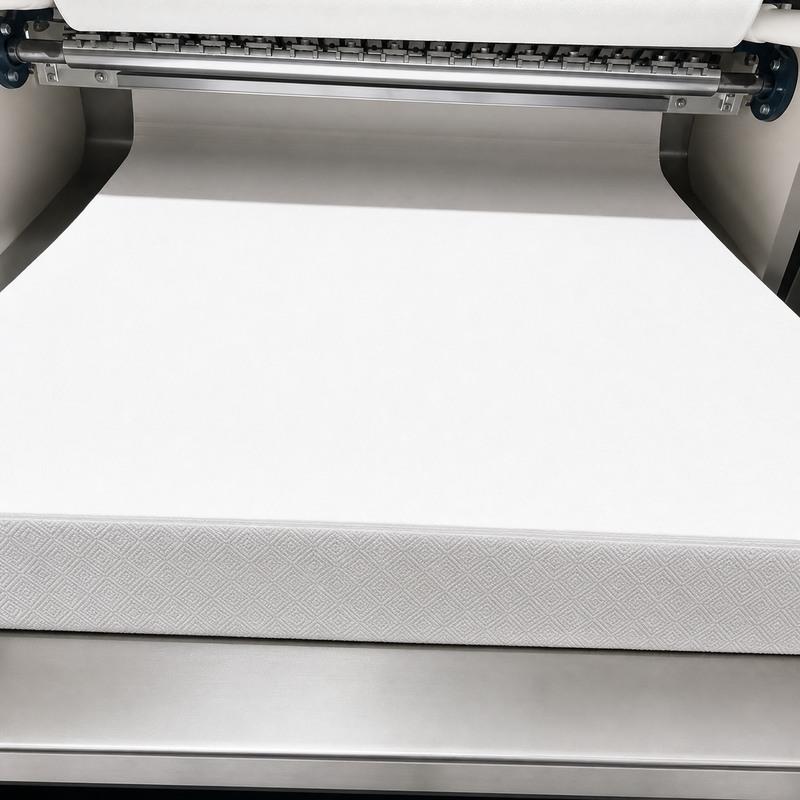
A published embossed-paper example illustrates a visible finish, without establishing a particular incoming grade or trial result.
Treat a changed paper supply as a controlled input change
After the proposal is agreed, compare every planned incoming roll against the accepted supply record. A larger outside diameter, another core or a heavier roll is an envelope change. A different grade or ply supply is a material change. Describe it directly to the machinery supplier and obtain a response before treating the old approval as applicable.
Retain the mill specification and the confirmed machine limits beside the purchase order. That gives receiving staff a clear basis for identifying a roll outside the planned combination. It also gives the project team a useful starting point if later trials produce an unexpected result. The record connects what was bought, what was proposed and what was actually supplied.




 Tel: +86 139 0819 6540
 Email: info@doubletissuemachine.com
 MP/WhatsApp: +86 139 0819 6540
 Manufacturer Address:Dongguan, Guangdong, China