A sheet-size change and a pack-count change are different jobs. Sheet geometry belongs to cutting and folding; count belongs to grouping the finished output and handing the resulting stack downstream. They can affect the same finished pack, but they should not be combined into one undefined changeover. Split the product revision into its actual changes, identify which equipment responds to each one, and agree how the first acceptable output will be checked. This makes an enquiry about flexible production much more useful than asking for a single changeover time.
Write the difference between product A and product B
Place the two product definitions beside each other. Compare opened-sheet dimensions, folded footprint, tissue count, paper identity and package format. Mark only the fields that change. A new retail SKU can retain the same tissue while changing the wrapper or quantity; another can change the tissue dimensions even when the outside pack looks similar. The commercial name does not tell the operator or supplier what must happen.
Use actual product combinations. If the planned range includes several sheet dimensions and several counts, state which combinations will be produced. A minimum and maximum for each field can imply combinations the buyer never intended. It also conceals a combination that needs a different downstream arrangement. A short product matrix can carry more usable information than a broad claim of adjustable sizes.
Distinguish a product revision from a replacement paper grade. If product B uses another paper, list that as a separate input change even where its nominal dimensions match. Otherwise a discussion about count or sheet size may quietly include a material trial. The supplier needs to know whether the proposed changeover demonstrates a geometry change, a count change or several changes at once.
Changing a product definition may involve the folding machine and the equipment receiving its output.
First case: count changes while the tissue stays the same
For a count-only change, keep the opened sheet, folded footprint and paper specification fixed in the demonstration plan. Define a counted unit clearly, especially where a finished tissue contains multiple plies. Then identify where the machine counts output and where that output becomes an individual stack for packaging. The counted quantity and the stack delivered to the wrapper must refer to the same product unit.
Changing the count can change stack height and the number of stacks released in a period. A wrapper may therefore need a different product arrangement even though the folding geometry remains fixed. Ask the supplier to identify the relevant counting, separation and packaging scope. Do not assume that changing a counter value settles the entire finished-pack change.
Keep the old and new stacks identifiable during the transition. State how remaining material for product A is handled before product B is accepted. A stack with an uncertain count cannot be resolved by the new package artwork. The agreed changeover procedure should explain how the first new stacks are identified and checked without mixing the two product definitions.
Review the package as well as the unwrapped stack. A lower-count pack may need a different wrapper allowance or carton presentation. A higher-count pack may occupy more space at the infeed. These are points for the selected packaging configuration to assess. They are consequences of the count change, rather than evidence that the tissue fold itself has changed.
Second case: sheet geometry changes
A sheet-size change needs a new drawing showing the opened and folded tissue. Identify which direction changes and preserve the orientation labels. The supplier should describe how that requested product is achieved with the proposed cutting and folding configuration, including any parts or setup work required. Do not infer those details from the word adjustable in a product description.
The folded footprint is the next downstream question. Even if the count is unchanged, a wider or differently folded tissue can require another transfer or packing arrangement. Ask each equipment supplier to respond to the same revised stack drawing. Changing a machine setting upstream without updating the receiving specification leaves the production interface undefined.
A geometry change can also alter the paper supply requirement. Confirm whether the existing parent-roll specification remains suitable for the new finished product and whether an agreed trimming arrangement changes. That response belongs to the technical proposal. The buyer should not order a new roll width solely by copying the desired finished sheet dimension.
The opened sheet and folded footprint should be checked independently after a geometry change.
Translate the requested changes into equipment scope
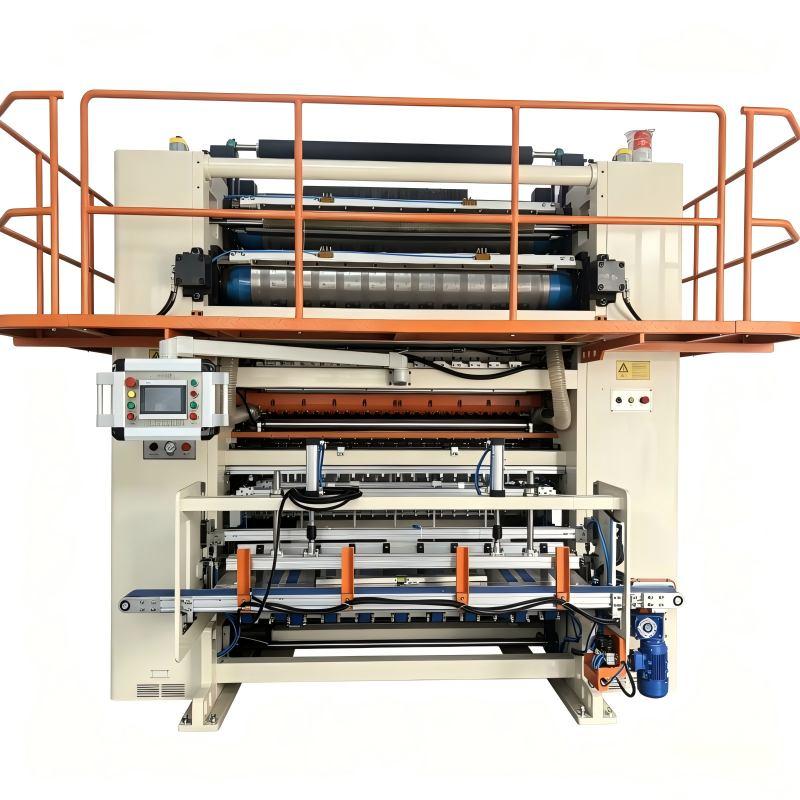
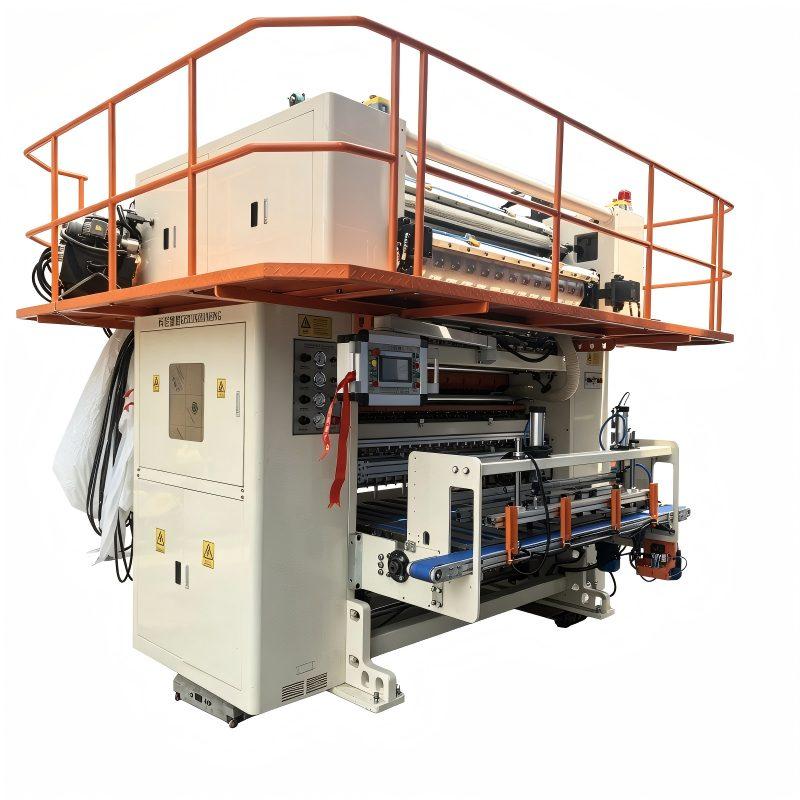
The DB-F-V-200 tissue interfolder page lists V-fold production, automatic counting and adjustable folding and traction roller gaps. It also discusses product-size adjustment, discharge choices and optional half-fold output. These statements support a configuration conversation, but they do not specify a guaranteed time or a universal method for every size and count combination.
Request a response organized by the two change types. For a count-only change, identify the equipment handling stack quantity and package height. For a geometry change, identify the approved drawing, required components and relevant downstream adjustments. If an option is needed, name it in the order rather than leaving it in a general list of possible functions.
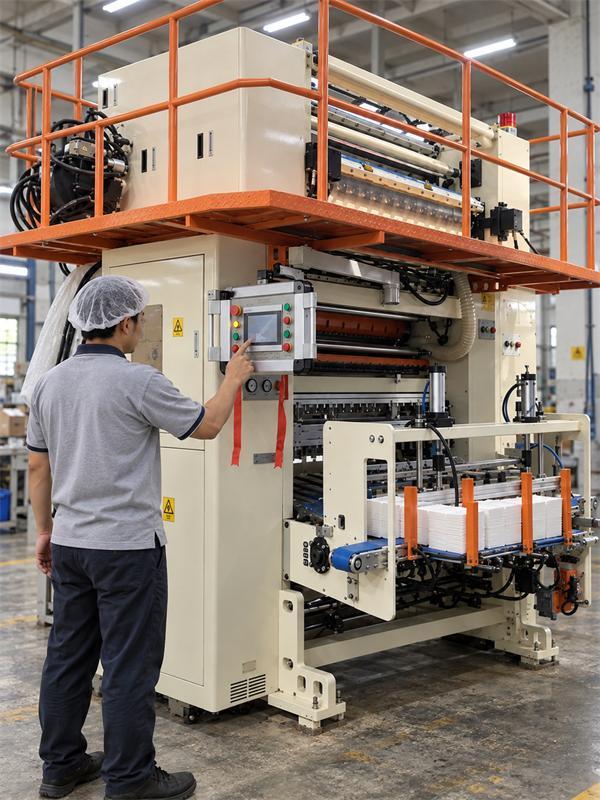
Separate work that the operator performs through the control interface from work involving mechanical parts. The machine supplier should provide the approved procedure and training for the delivered equipment. A blog cannot establish safe adjustment instructions for an unknown configuration. The procurement requirement is that the buyer understands the scope, access and supplied procedure before accepting the proposed product range.
Define the start and finish of a timed changeover
If changeover duration matters commercially, define both endpoints. Does the clock start when the last acceptable product A is completed, when the machine stops, or when the operator begins preparing materials? Does it stop at the first sample of B or after a sustained sequence of acceptable output? Those choices change what the result means and must be agreed before any timing exercise.
Record which preparation is completed before the clock starts. Having the correct paper, film and parts ready is different from including their collection in the measured work. Neither convention is automatically right for every factory. Choose the one that reflects the planning question and use it consistently when comparing proposed configurations.
Keep the people involved visible too. A demonstration performed by several supplier specialists is useful evidence of that particular arrangement. It is not automatically the time the buyer should schedule for one trained operator. Agree who performs each part of the change and what training or assistance is assumed. This makes the observation usable for staffing without inventing an unsupported promise about unattended operation.
Define what makes the first product B acceptable. Include the relevant opened-sheet dimensions, folded arrangement, count and package condition. A timer stopped at the first discharge says little if that output later fails inspection. Record the setup output separately from accepted product so that a short nominal changeover is not confused with the return to usable production.
A useful changeover discussion identifies operator work, product checks and the defined return to accepted output.
Keep the transition record specific enough to reuse
Record the previous product, the new product, the paper used, the configuration and the agreed timing convention. Note any additional adjustment or component change needed to reach acceptable output. If several fields changed together, do not report the result later as a count-only demonstration. The record should preserve what was actually evaluated.
Use the accepted first-off samples to start the new production record. Retain the last relevant sample from product A where it helps explain the transition. Those samples make later discussion about a setting or geometry difference more concrete than a generic statement that changeover was completed. They also keep the reference tied to the actual ordered products.
Consider the reverse transition as a separate case where the factory expects to perform it regularly. Returning from B to A can involve a different stock of partly used materials or a different preparation sequence. A successful forward change demonstrates that direction under its recorded conditions. Ask what needs to be confirmed for the return, especially when an alternate part or paper supply is involved.
Finally, distinguish a saved product recipe from approval of the product itself. The stored definition may help an operator return to a known setup, but the first output still needs the agreed checks. If the paper, supplied components or product drawing has changed since the reference run, the old recipe should be reviewed against that change rather than treated as a permanent product guarantee.
For production planning, compare the changeovers the factory will make most often. A seldom-used extreme format and a routine count change can require different preparation and verification. Assess them separately, then schedule the product range using their own confirmed scope. The practical benefit comes from understanding the changes, not from collapsing them into one attractive time figure.






 Tel: +86 139 0819 6540
 Email: info@doubletissuemachine.com
 MP/WhatsApp: +86 139 0819 6540
 Manufacturer Address:Dongguan, Guangdong, China