A factory acceptance test for a facial tissue machine should establish what leaves the folding section in usable condition. A displayed design speed or a brief burst of output cannot describe fold position, cut quality, count or stack stability. Agree the paper and finished format first, then pair the output record with samples taken during the same observation period. That makes the result interpretable: it identifies the product, the conditions and the quality being demonstrated, instead of leaving a speed figure to stand for the whole test.
Name the output unit before starting the clock
Define a sheet, a finished tissue, a stack and a pack in the test record. Where a product has several plies, state whether the reported sheet quantity counts the complete tissue or individual layers. Identify whether output is reported for one lane or the whole machine. An attractive rate becomes difficult to use when its unit changes between the quotation, control display and acceptance discussion.
Separate the machine's stated design value from the observed test result. The observed record should name the product format and paper being run, the period measured and the point where output is counted. If a downstream machine is not connected, describe the result at the folding output. It should not become a finished-pack rate merely because packaging is planned for the eventual installation.
Define how rejects and interruptions enter the calculation. A total output count and an accepted output count answer different questions. A buyer may need both. Record stopped time and the reason observed, using the agreed test method. Do not subtract inconvenient events without explanation or treat a short steady segment as representative of a longer period that was not measured.
For a measured period, keep the start and end times beside the count readings. State whether the counter was reset, read by difference or supplemented by a physical count. The supplier should explain any discrepancy before a result is accepted. A rate copied from a display can be useful operating context, but it is not the same record as accepted output collected over an identified interval.
Fix the test boundary to the ordered configuration
The DB-IF-V facial tissue folding machine description lists IF and HT configurations, unwinding, transverse cutting, folding and optional embossing. The FAT should identify which configuration is being demonstrated and which options are present. A test of one setup does not establish the performance of another format or of an option that is not fitted.
Attach the paper identity, parent-roll specification, approved product drawing and intended count to the test plan. Where the order includes multiple material or product combinations, list which will be demonstrated. The supplier and buyer can agree a manageable set of cases, but the untested combinations should remain visible. They should not quietly inherit acceptance from a convenient sample.
Check whether the test uses the buyer's intended material or an agreed substitute. A substitute can be useful for checking some functions, while leaving a material-specific result open. State that limitation in the record. The point is to make the evidence understandable, rather than insisting that every observation proves more than its actual conditions allow.
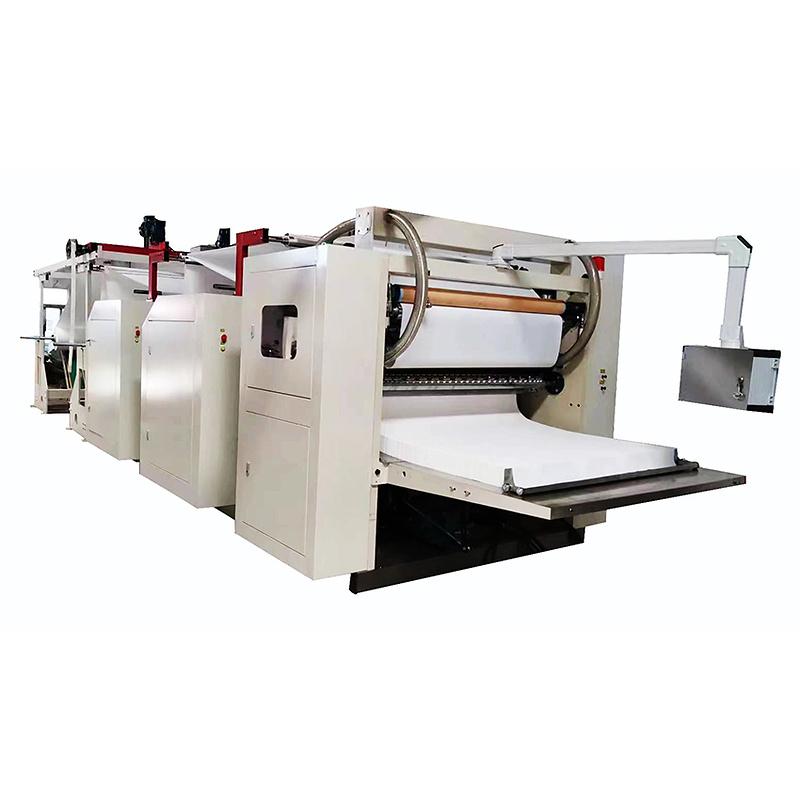
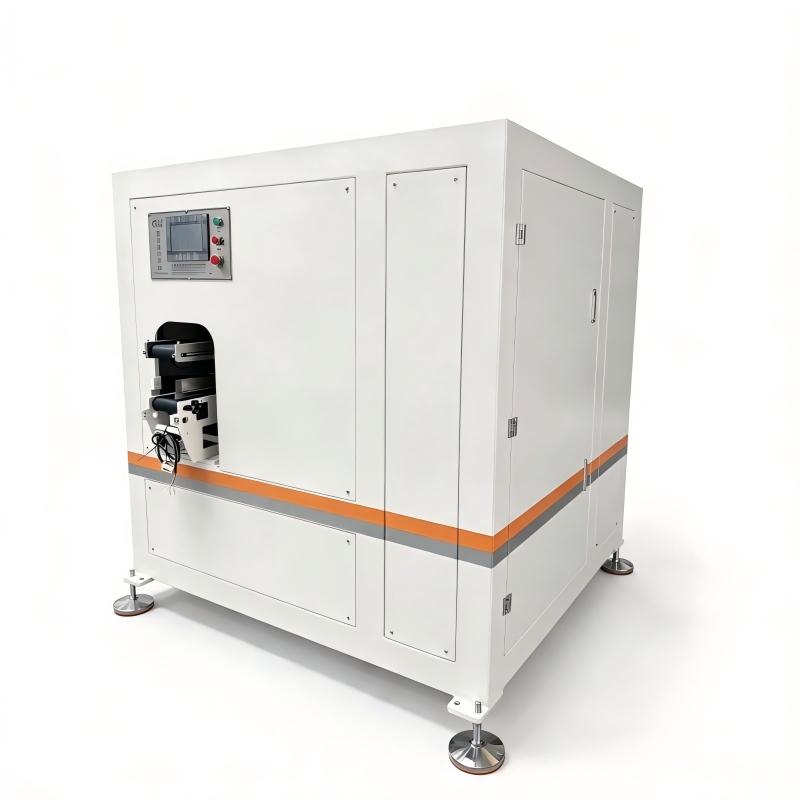
A machine photograph identifies equipment context; the acceptance record must identify the configuration and product actually tested.
Take samples that can be tied back to the run
Agree sample locations and times before running the machine. Samples from the first accepted output, a later steady period and a restart can answer different questions. For a multi-lane configuration, identify the output positions included. A hand-selected stack taken from an unknown point is poor evidence of what happened across the observed run.
Label samples with the product reference, time and position. Retain enough context to compare an observation with the operating log. If a folded edge moves out of position after a restart, the record should allow that sample to be distinguished from a later acceptable stack. This makes corrective discussion specific without asking an observer to rely on memory.
Include the handling condition in the sample label when it matters. A stack inspected immediately at discharge and one inspected after an agreed transfer should remain distinguishable. If either was manually straightened, record that action. Correcting a sample before inspection can conceal the condition delivered by the equipment and make the accepted reference difficult to reproduce later.
Use the same inspection method throughout the test. Agree how a sheet is opened for measurement, how stack height is recorded and what visible damage counts as a rejection. Different handling of paper samples can create apparent differences that are difficult to attribute to the machine. A simple written method helps the buyer and supplier examine the same evidence.
Examine the fold and cut as separate quality questions
Check opened-sheet dimensions and folded geometry separately. A cleanly cut sheet can still be folded in an unsuitable position, while an apparently square stack can contain sheets outside the agreed opened dimensions. Compare each observation with the approved product drawing. Do not replace those checks with a general judgement that the pack looks neat.
For the cut, agree what visible edge condition is acceptable for the product. Look for torn edges or incomplete separation using the agreed sample method. For the fold, examine the panel arrangement and the consistency of the exposed edges. The numerical tolerances and rejection rules must come from the approved product agreement; this article does not assign a universal limit to all facial tissues.
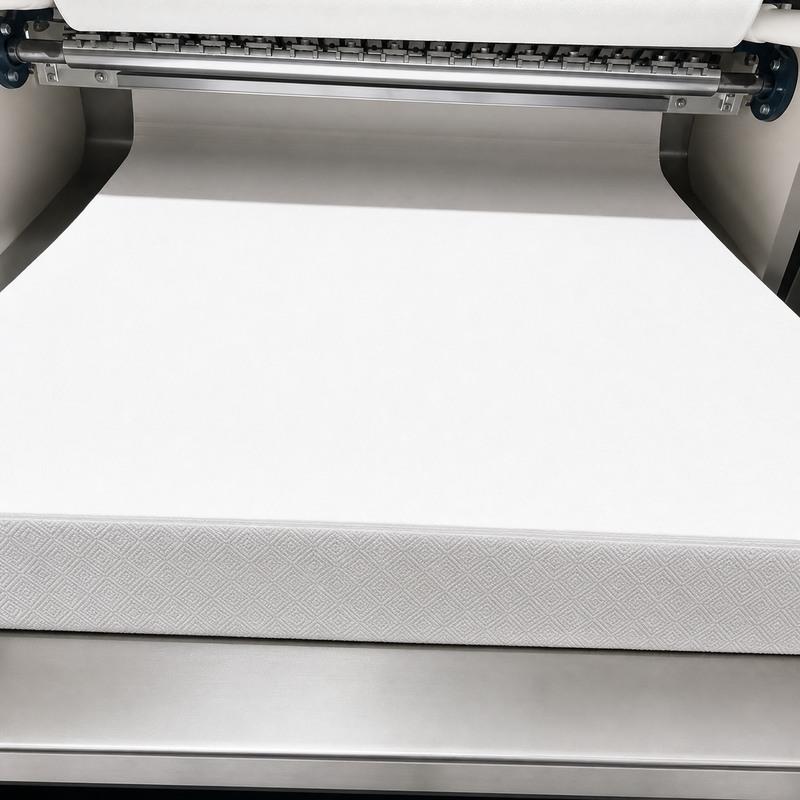
Where embossing is part of the order, compare its appearance with the approved reference and note whether it interferes with the agreed product geometry or handling. Avoid accepting an embossing photograph as proof that the corresponding paper was used in the test. Keep the material identity and the sampled output connected throughout the inspection.
Paper appearance can be examined alongside the opened dimensions and fold arrangement; each needs a defined reference.
Check what counting and handling deliver together
Verify the quantity in the stacks selected for inspection, using the agreed definition of one finished tissue. Compare the physical stack with the machine's counting record. Counting and separation should be examined as connected functions: a correct displayed count is insufficient if the material handed downstream does not correspond to it.
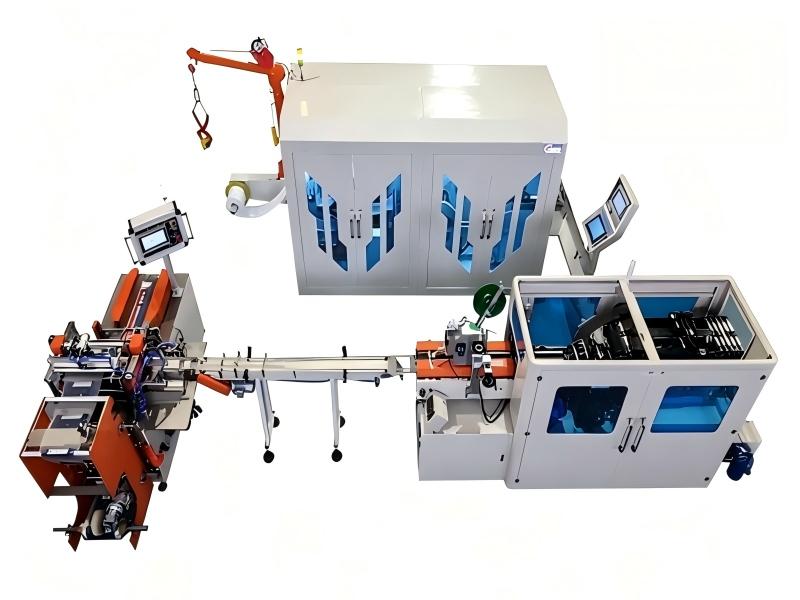
Observe stack squareness and support when the output is moved as intended. If the FAT ends at an output table, note that boundary. If cutting or packing is connected, include samples after the handoff so that an upstream acceptable stack can be compared with the received product. This distinguishes a folding issue from a change introduced by transfer.
Record
Evidence to keep
Question answered
Output quantity
Defined unit, location and observation period
What amount was produced during the measured run?
Accepted product
Inspection method and labelled samples
What met the agreed product requirements?
Stack handoff
Before-and-after samples at the defined interface
Was the product arrangement preserved through transfer?
Interruptions
Time, observed event and return to accepted output
Which conditions interrupted the observed sequence?
Include agreed restart observations
Ask the supplier to include relevant stop and restart conditions in the FAT plan, following the machine's approved operating procedure. The product page identifies paper-out and protective control functions. Their demonstration should be performed by authorized personnel under the supplier's procedure, without defeating guards or inventing ad hoc fault tests.
For product quality, record what happens to the first output after an agreed restart and how accepted production is identified. Separate output awaiting inspection from released product. The important evidence is the observed transition back to the agreed product condition, not a claim that every stopped machine will recover identically with every paper.
Close the record with specific open items
For each unresolved point, identify the sample or event, the requirement involved and the follow-up needed. A comment such as improve quality is too broad to guide a repeat observation. A marked sample showing a particular fold discrepancy gives the supplier a clear issue to investigate. State who reviews the correction and what evidence will close it.
When an adjustment or component change is made, identify it in the report and repeat the observations it could affect. A corrected cut may need another dimensional check as well as an edge inspection. Keep earlier and later samples labelled so that the correction is demonstrated rather than assumed. The final report should describe the accepted configuration after those changes.
Keep the final FAT report with the ordered configuration and product references. Report the observed output and the accepted quality together, preserving any limitations caused by substitute material or unconnected downstream equipment. The buyer can then see what the test established and which checks still belong to commissioning at the factory.
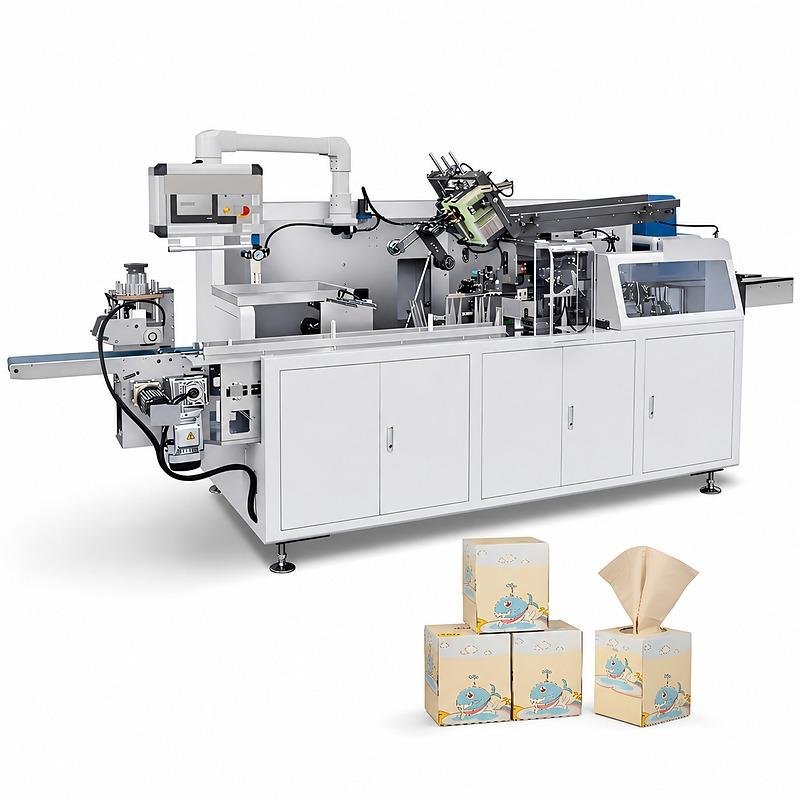
Published pack examples illustrate the intended product category. They are not photographs of the acceptance test described here.





 Tel: +86 139 0819 6540
 Email: info@doubletissuemachine.com
 MP/WhatsApp: +86 139 0819 6540
 Manufacturer Address:Dongguan, Guangdong, China