Send an actual carton blank and the intended tissue stack before treating a box-packing quotation as technically comparable. External box dimensions describe the finished package, but they do not fully describe how the blank opens, how the tissue enters or how the flaps close. The stack has its own dimensions and behaviour. Review the carton and stack together, with a retained finished box as the reference. This makes a size or material mismatch visible while it can still be resolved in the proposal.
Build a sample set with an identity
Label the carton blank, the tissue stack and the finished reference box with one product identifier. Include the version date and identify the carton supplier and paper specification. Send enough representative material for the agreed technical review, with the quantity confirmed by the equipment supplier. A hand-built sample may communicate the intended appearance, but it should be identified as such if it differs from the blanks and tissue intended for production.
Keep one copy of the sample set at the buyer's site. If a revised carton arrives later, compare it with the retained version rather than silently replacing the approved sample. The difference may involve a flap, crease, opening or glue area even when the finished length and width have not changed. An identifiable sample set gives purchasing, carton supply and machine setup a common point of reference.
The carton supply and its loading arrangement belong in the sample review.
Describe the blank before the finished box
Provide the dieline and identify the carton material, thickness or grade, surface finish and crease arrangement. Mark the loading opening, closing flaps and intended glue areas. State the direction in which the blank is supplied and any pre-glued seam. These details help the supplier review opening and closure. They should be checked against physical blanks, because a drawing cannot show how the supplied carton bends or retains its shape.
Record both internal and external finished dimensions where relevant to the review. The tissue must fit inside the actual formed carton, while downstream handling uses the outside of the box. Confusing those dimensions can make a clearance problem difficult to understand. If the carton drawing uses a particular convention, retain it and ask the supplier to mark the dimensions used for the machine proposal rather than converting them informally.
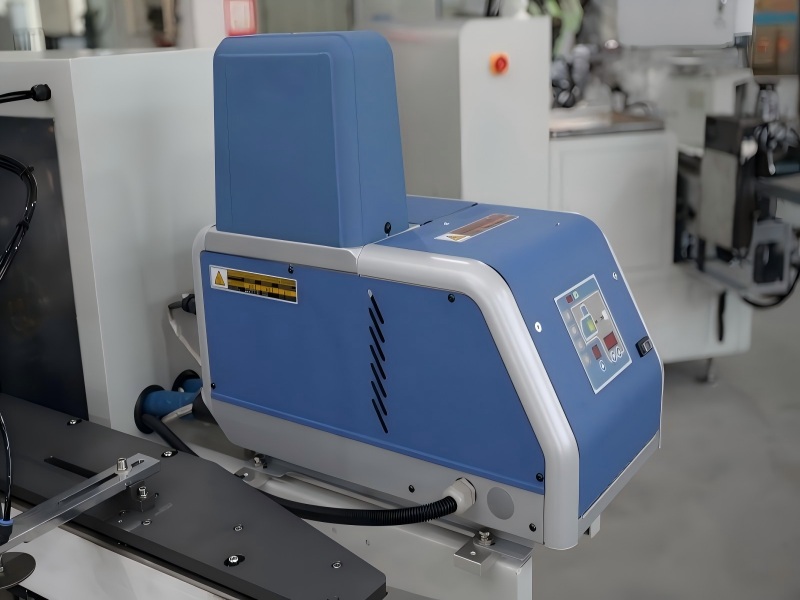
Review print and coating in the glue area with the carton supplier and equipment supplier. Do not assume that any board finish will accept the same adhesive condition. Where the package needs a particular appearance, show the acceptable seam and flap position on the reference box. Glue type, application conditions and material compatibility are matters for confirmation using the selected materials, not claims that follow from a machine photograph.
Measure the stack as a product
Identify tissue length, width, sheet count, fold and paper construction. Then record stack dimensions with a stated measuring method. A loose stack and a stack pressed by hand can give different heights. If compression is part of the technical review, define the method and avoid treating the compressed measurement as a permanent property of the tissue. Supply the actual stack so that its fit can be reviewed in the proposed loading condition.
Check whether the stack has a preferred loading orientation. Folded edges, open edges and the dispensing face may matter to the finished pack. Mark these on the sample instead of relying on a verbal instruction such as “load normally.” For more than one tissue format, provide a separate labelled stack and carton. The fact that one stack enters one box does not prove that every combination of the proposed ranges will load acceptably.
Carton record
Blank version, material, dieline, formed dimensions, loading opening and closing arrangement.
Stack record
Paper and fold, sheet count, measuring condition, dimensions and required orientation.
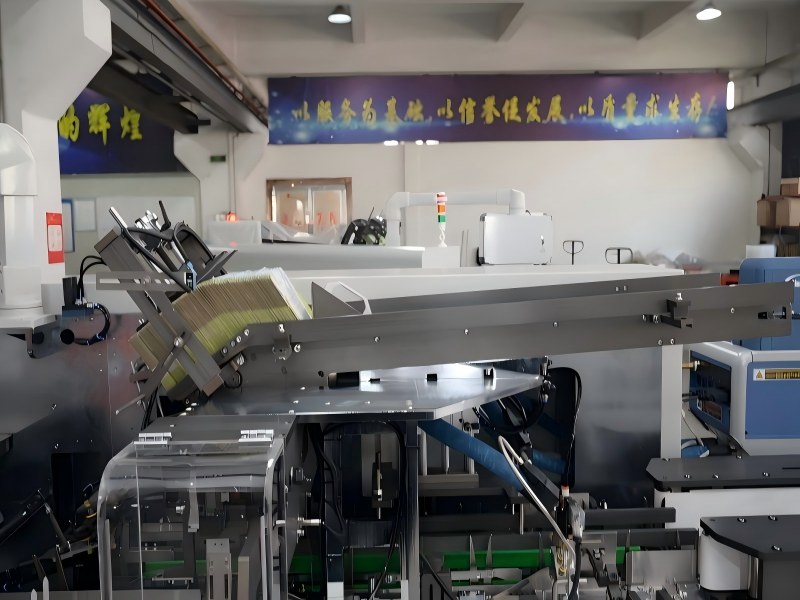
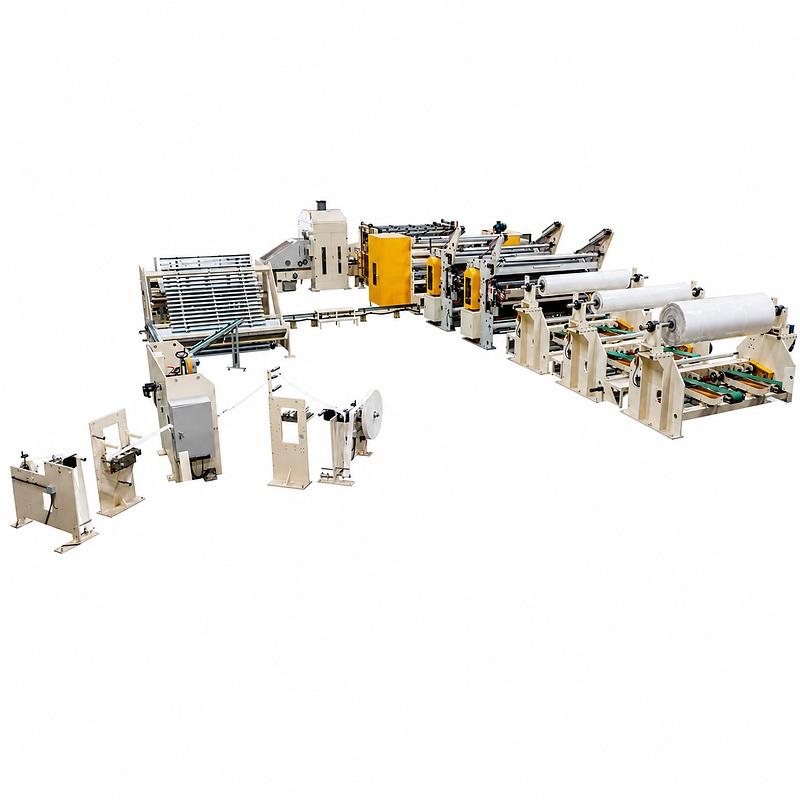
DOUBLE describes the DB-BF-100B as an automatic box-packing machine that opens boxes, loads tissue, seals with hot-melt glue and outputs finished boxes. Its listing includes selected carton-size and line-connection options. The technical question for a buyer is how those operations suit the supplied blank and stack. Ask the proposal to identify the carton style and product dimensions reviewed, including any product-specific parts or adjustments.
During a sample review, retain examples of the carton before opening, after forming and after loading where the agreed review permits inspection. Note whether the product reaches the intended position and whether the carton retains its shape. A finished box can conceal a loading problem, so separate the loading result from closure appearance. Any inspection around operating equipment must follow the supplier's approved procedures and access arrangements.
Review the carton opening and tissue loading arrangement together.
Judge closure after the product is inside
Agree how closure will be inspected and when the inspection occurs. Check flap alignment, visible glue, carton distortion and the accepted bond condition using the chosen board and adhesive. The supplier should confirm a suitable review method. A box that looks closed immediately after output may need a different observation from one that has completed the agreed handling interval. Label the inspection state with the sample result.
Include dispensing presentation in the finished-box review where it belongs to the product specification. Open the retail opening by the intended method and inspect the tissue position. This is a check of the agreed package, not a claim that the machine provides every opening style. If a tear feature or carton opening differs between formats, identify that difference before grouping those formats into one acceptance result.
Use the difficult format in the discussion
A product family should be described by actual format combinations. The smallest carton, largest carton and highest stack may not be the same product. Send a matrix showing which stack goes into which carton. Ask which combinations are covered by the proposed configuration and which require a separate review. This is more informative than a list of independent minimum and maximum dimensions.
For each intended change, identify adjustments, change parts and material preparation. If a changeover time is proposed, state whether it includes replacement parts, trial output and inspection of the first accepted box. Do not carry a general product-page time into a specific order without those conditions. A simple size adjustment and a change of carton style can involve different work even when both are called a format change.
Where coding or labelling is requested, identify the location and readability requirements on the formed box. Confirm whether that equipment is included and who supplies consumables. A carton design revision may move the available area or change the surface. Treat this as an additional interface in the proposal rather than assuming that any code or label can be added after the machine has been selected.
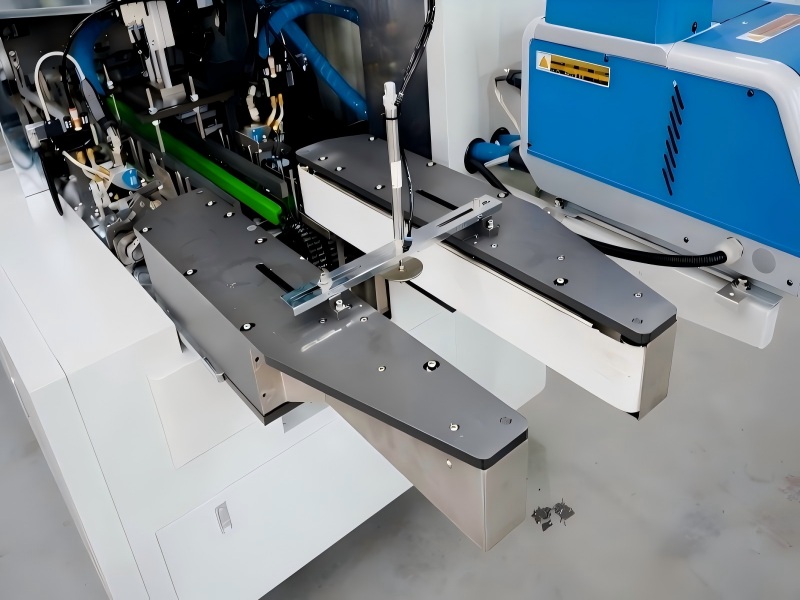
The proposed closing arrangement must be confirmed for the reviewed carton material.
Ask how carton variation will be reviewed
Production blanks may arrive in different batches. Ask the carton supplier which properties are controlled and ask the equipment supplier which receiving conditions the proposal assumes. If the sample review uses only one batch, record that fact. It establishes the reviewed material, without proving every future delivery will behave identically. Keep the approved blank specification available for later incoming-material checks.
When a blank opens inconsistently during the review, retain both an acceptable blank and the affected blank with their batch identity. Compare them against the drawing and agreed material specification before deciding whether the solution is a machine adjustment or a carton correction. Repeatedly compensating for an unidentified difference can make the acceptance result difficult to reproduce.
Include storage and delivery condition in the carton discussion where it affects the supplied material. A sample set should reflect the blanks intended for production rather than a specially prepared carton that conceals normal variation. The technical proposal can then identify the material conditions on which its reviewed result depends.
Tie the reviewed samples to the order
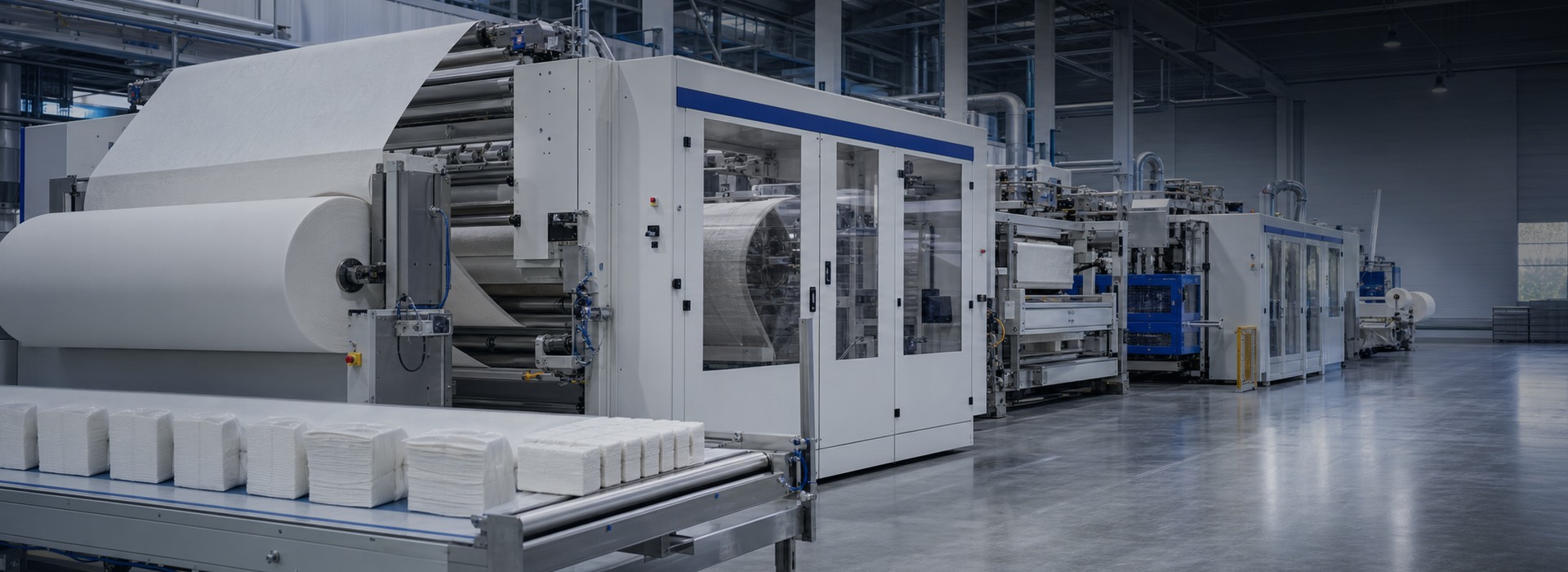
Use the DB-BF-100B facial tissue box packing machine as the equipment reference, then ask the returned proposal to list the sample identifiers, confirmed carton style and stack conditions. Identify upstream tissue presentation and downstream box handling separately. Neither is established solely by the machine's box-per-minute figure, and each may depend on equipment outside the packing-machine supply.
Keep a list of deviations from the requested finished box. A suggested carton modification may be reasonable, but the buyer should approve its effect on appearance, dispensing and carton procurement before accepting it as the new reference. With the blank, stack and finished box tied to the same order, an equipment comparison can address the actual package to be produced. The samples then become a practical acceptance reference rather than an informal illustration attached to the enquiry.




 Tel: +8613908196540
 Email: info@doubletissuemachine.com
 MP/WhatsApp: +8613908196540
 Manufacturer Address:Dongguan, Guangdong, China