A pocket tissue catalogue may list several unfolded sizes, several folded sizes and a range of sheets per pack. Reading across those lists does not create an approved product combination. Before choosing a configuration, turn the intended retail range into named rows and ask the supplier to confirm each row as a complete format. The difference is simple: a list describes options, while an accepted row describes a product the proposed equipment has been asked to make.
What the published list actually says
The DOUBLE DB-HK-130P pocket tissue machine is described as a single-channel configuration integrating unwinding, folding and automatic individual packing. The page identifies super mini, mini and standard pocket formats. Its technical list includes unfolded tissue sizes of 180 × 180 mm or 210 × 210 mm, folded sizes of 62 × 45 mm, 72 × 53 mm or 105 × 53 mm, and five to ten sheets per pack depending on format.
Keep the words depending on format with the sheet-count range. The page does not provide a complete table pairing every unfolded size, folded size, count and commercial format name. A buyer should not fill those missing pairings by assuming that the first size in one list belongs with the first size in another. Nor does a familiar retail name establish the product's dimensions without a drawing.
These values provide a starting point for discussion. They are not a confirmed matrix of all possible combinations and do not state that every format change uses the same configuration or parts. A useful enquiry acknowledges that distinction and asks the supplier to complete the missing relationships for the specific products the buyer wants.
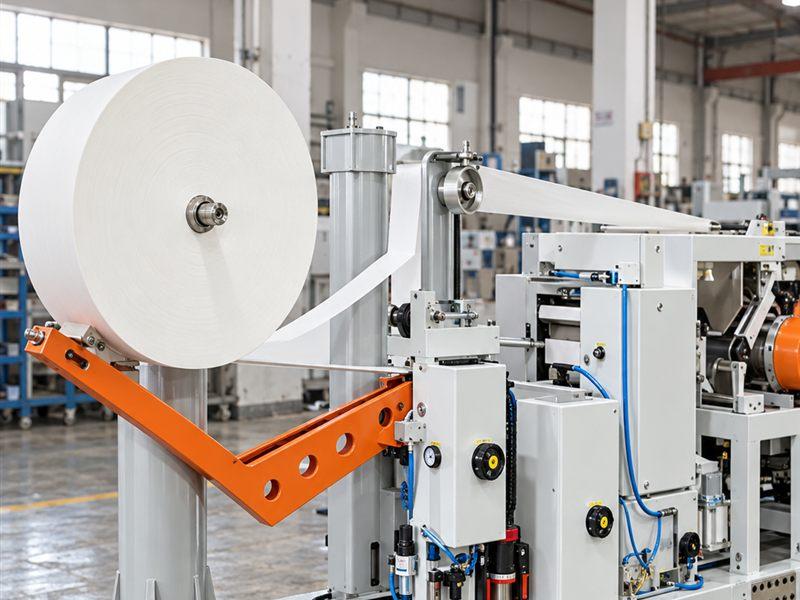
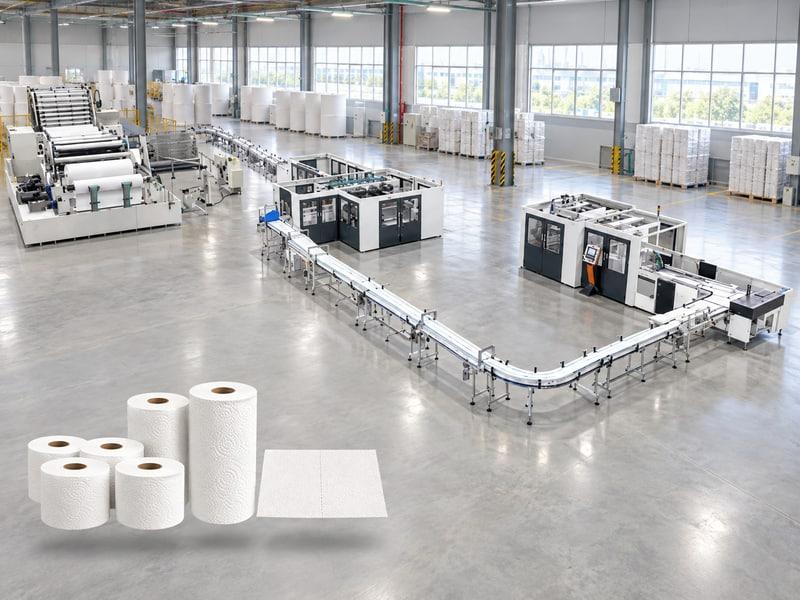
Parent roll and equipment shown in the DB-HK-130P gallery. The workshop photograph does not pair an unfolded sheet size with a particular finished pocket format.
Write a product row before a machine row
Give each proposed sale unit a buyer product reference. Record the intended tissue in its opened state, its folded state and the quantity inside one individual pack. Add the paper grade and ply construction associated with that product. Use the actual supplier references where available. If a field remains undecided, mark it as undecided instead of borrowing a value from the nearest-looking catalogue option.
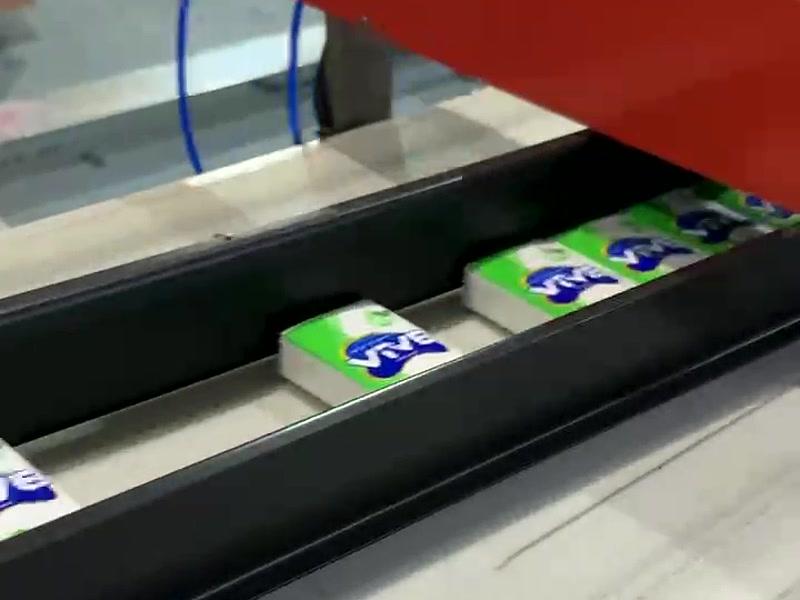
Keep outside package dimensions in a separate field. The size of a finished wrapper is not automatically the size of the folded tissue inside it. A retail photograph can help explain presentation, but it cannot provide the missing opened-sheet dimensions or confirm the sheet count. Use an identified opened tissue, folded tissue and pack sample where those references exist.
State how sheets are counted in the product description. Ply construction and sheets per pack are different fields; two plies within a tissue should not quietly become two sale units in the matrix. Ask the supplier to use the same counting convention in its response. That is a document-definition request, not a claim about an automatic counter or a particular internal machine operation.
Commercial labels can remain on the row for the sales team, but they should sit beside the technical product definition rather than replacing it. A name such as mini helps colleagues recognize the intended range. The drawing, material and quantity fields give the equipment supplier something specific to accept or question.
Separate requested, offered and unresolved
A format matrix should make the supplier's response visible. Use one column for the buyer's requested product, one for the offered configuration and another for unresolved details. If the supplier proposes a different folded size, retain both values until the buyer accepts the change. Replacing the requested value too early can make an altered offer appear to satisfy the original requirement.
Row element
Buyer definition
Supplier response needed
Tissue geometry
Identified opened and folded drawings
Confirm the proposed pairing and reference edges
Pack content
Sheet count and separate ply description
Confirm the count for that format and material
Paper supply
Named grade and parent-roll proposal
Identify the accepted input for this row
Configuration status
Requested sale-unit reference
State accepted, revised proposal or still unresolved
Keep the response attached to a named model and quotation revision. A capability discussed for another pocket tissue line cannot be silently transferred into the DB-HK-130P row. Even where two product pages display the same option lists, the proposed build and supplied configuration still need their own confirmation. Shared catalogue vocabulary is not evidence of identical equipment.
The matrix does not need to contain the entire machine specification. Its purpose is to preserve each complete product definition and the supplier's answer. Details about commercial scope, utilities and installation can refer to their own documents. Keeping the matrix focused makes a missing product pairing easier to see than it would be in a long general enquiry.
Leave missing evidence visible
For example, a buyer might have a confirmed folded tissue sample but no agreed opened-sheet drawing for the same product. That row should identify the sample and leave the missing drawing visibly pending. Selecting an opened size from the catalogue merely to complete the row would create an unsupported relationship. The supplier's response should resolve that relationship before the product is treated as an accepted configuration.
There can also be a difference between the product requested by the buyer and the product represented by a demonstration sample. Ask what the sample actually represents. Its presence should not silently populate the matrix with dimensions or materials that belong to another enquiry. Keeping the distinction visible allows a useful discussion sample to remain useful without making it evidence of an unconfirmed product.
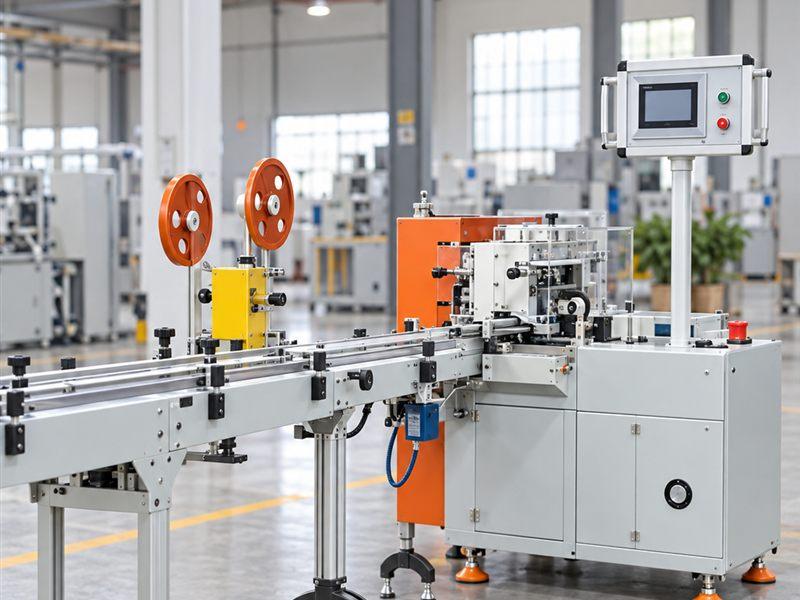
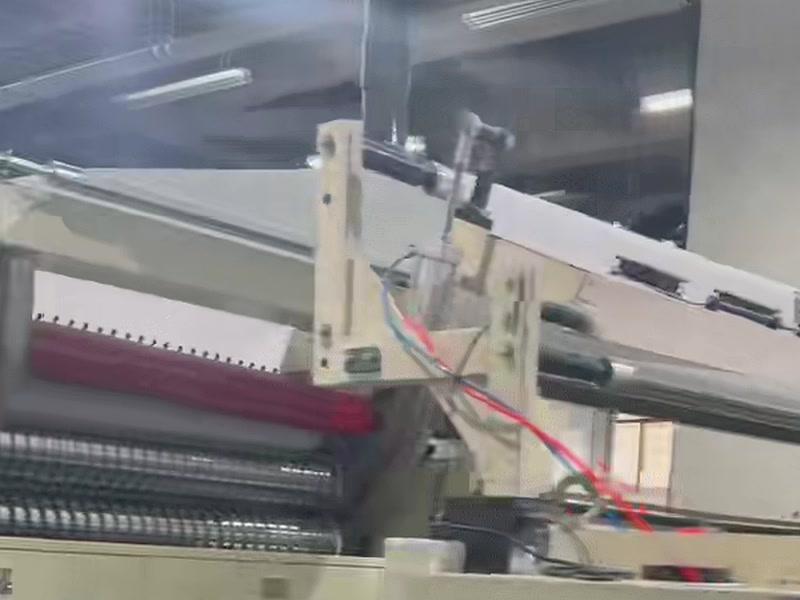
A second DB-HK-130P gallery view supplies equipment context. An HMI in the picture does not prove that every listed product combination has a stored or approved setting.
Treat the paper input as part of the row
The DB-HK-130P specification lists a jumbo-roll width of 180–210 mm and asks buyers to confirm the parent roll's width, diameter and GSM. It does not publish a numerical GSM acceptance range. Leave the actual paper proposal visible and request its review. A catalogue width interval cannot establish acceptance of an otherwise unidentified tissue grade.
When the same retail dimensions are planned with different tissue materials, decide whether they need separate rows or clearly identified variants. That decision concerns document clarity. It does not imply that the machine cannot use either material. The supplier needs to see the intended differences before it can confirm what is covered by one offered configuration.
Keep a sample reference with the material description where possible. If an opened sheet and a parent-roll sample come from different proposals, explain that difference rather than presenting them as one verified input. The matrix should expose incomplete evidence, including a product still awaiting its final paper supply, rather than make the enquiry look settled by filling every cell.
A confirmed row does not describe the change between rows
After the requested products have been reviewed individually, ask how the supplied arrangement moves between them. Does the proposal identify adjustments, replacement items or a further technical review? Keep the answer tied to the actual pair of product references. Confirmation of one row does not automatically describe the transition to another, even when both appear within the same catalogue range.
Do not turn this question into an assumed changeover time or a claim that touchscreen control removes every physical task. The page describes PLC touchscreen control and web correction, but that does not provide a product-by-product transition procedure. The supplier must identify the arrangement delivered for the buyer's chosen range.
A practical order can distinguish the products needed at initial delivery from later possibilities. Mark the first group for confirmation in the supplied build and keep future products as separately identified enquiries. This avoids allowing a loosely discussed future format to become an unstated requirement, while preserving a useful record of what the buyer may ask the supplier to assess later.
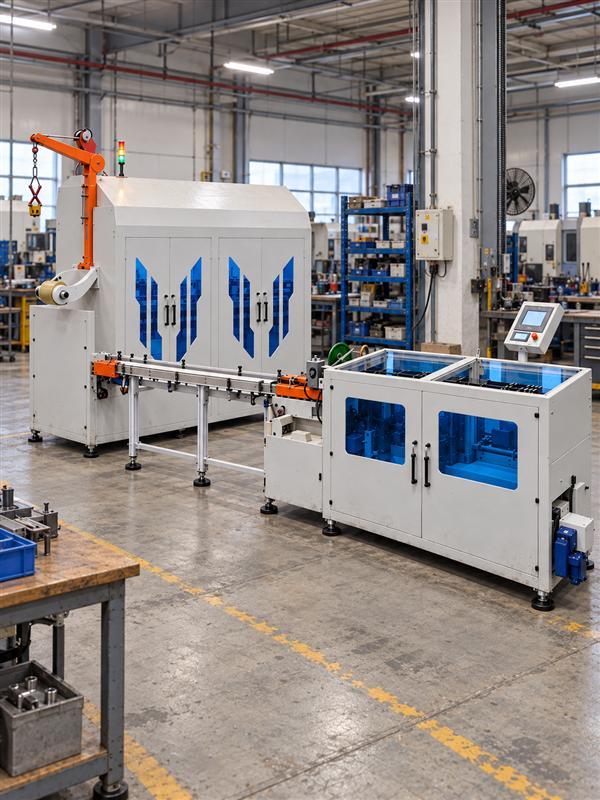
This separate gallery photograph is sourced from the DB-HK-150P page. It is not a photograph of the DB-HK-130P build and does not establish shared format capability between the two models.
Release the accepted rows as the product range
Review the returned matrix with the sales and production teams before incorporating it into the equipment order. Check that every intended sale unit has a complete definition, an identifiable material basis and a clear supplier response. Preserve unresolved cells and changed proposals until their owners have addressed them. A completed-looking sheet is less useful than an honest record of what still needs an answer.
The agreed product range is the set of rows both sides have accepted, with their relevant drawings and revisions. It is not the result of combining every number printed on a catalogue page. This gives the buyer a specific range to purchase and gives the supplier a clear product definition to confirm, without inventing relationships that the original option lists did not state.
Keep the accepted version available when the retail range changes. A new pack count or a revised tissue drawing should create an identifiable revision to the affected row. Preserve the earlier accepted version rather than overwriting it with an unexplained number. That history shows which product the existing order covered and gives a later supplier review a clear starting point.




 Tel: +8613908196540
 Email: info@doubletissuemachine.com
 MP/WhatsApp: +8613908196540
 Manufacturer Address:Dongguan, Guangdong, China