A four-lane L-fold napkin folding machine with two-color printing combines high-output napkin folding with in-line printed branding, so a converter can produce folded napkins and apply two printed colors in one continuous process. This guide explains how the machine works, which configuration points matter, and what buyers should confirm before requesting a quotation.
What a Four-Lane L-Fold Napkin Machine Does
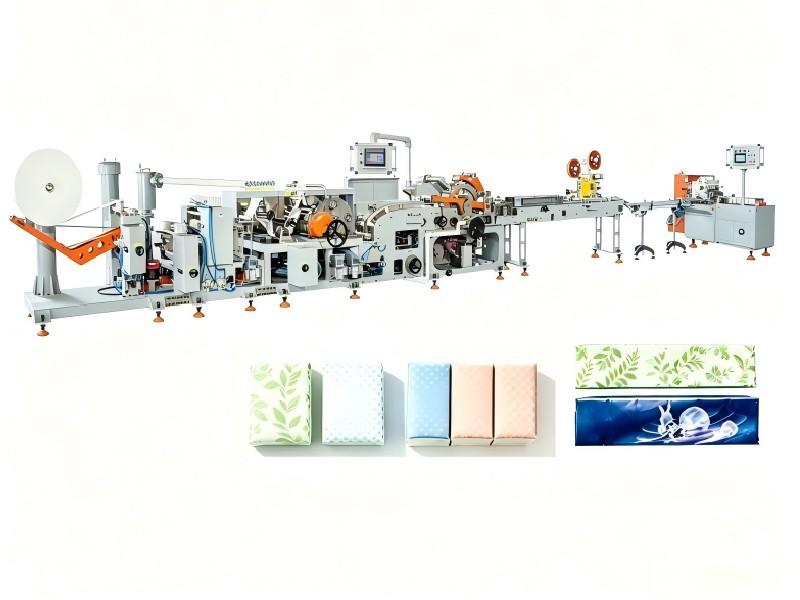
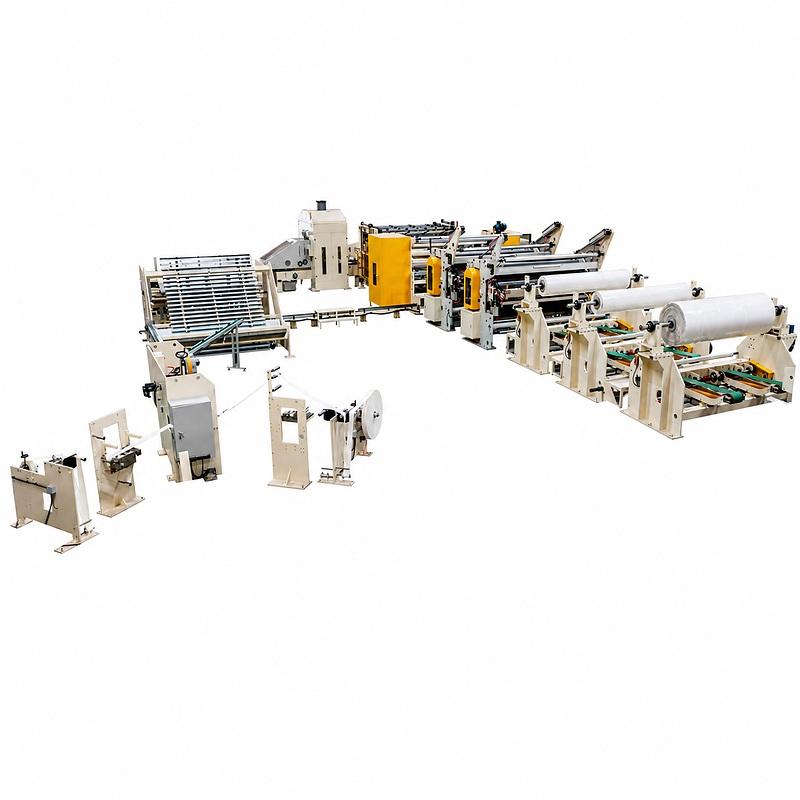
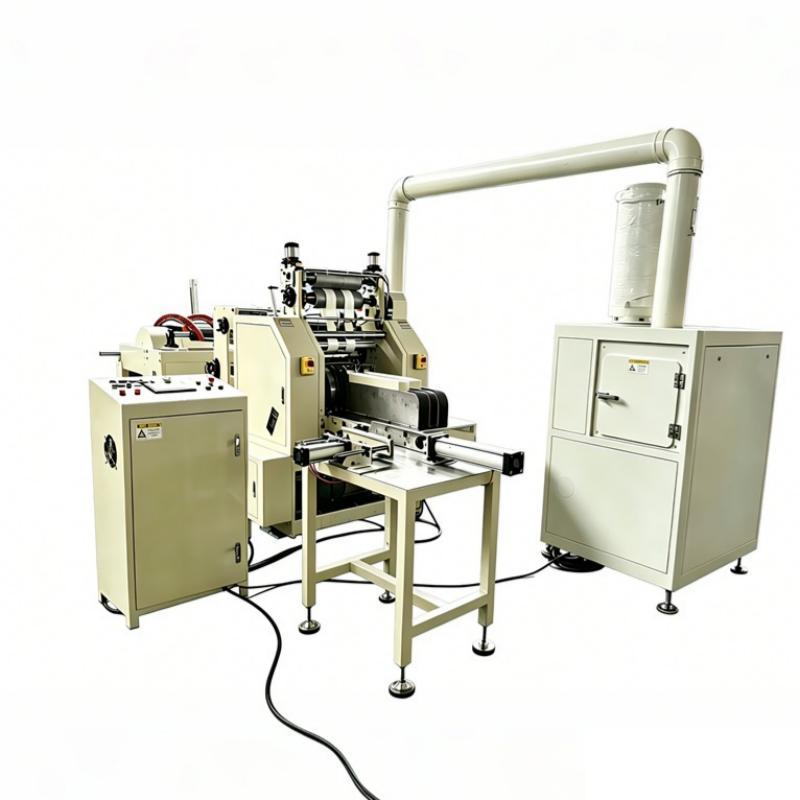
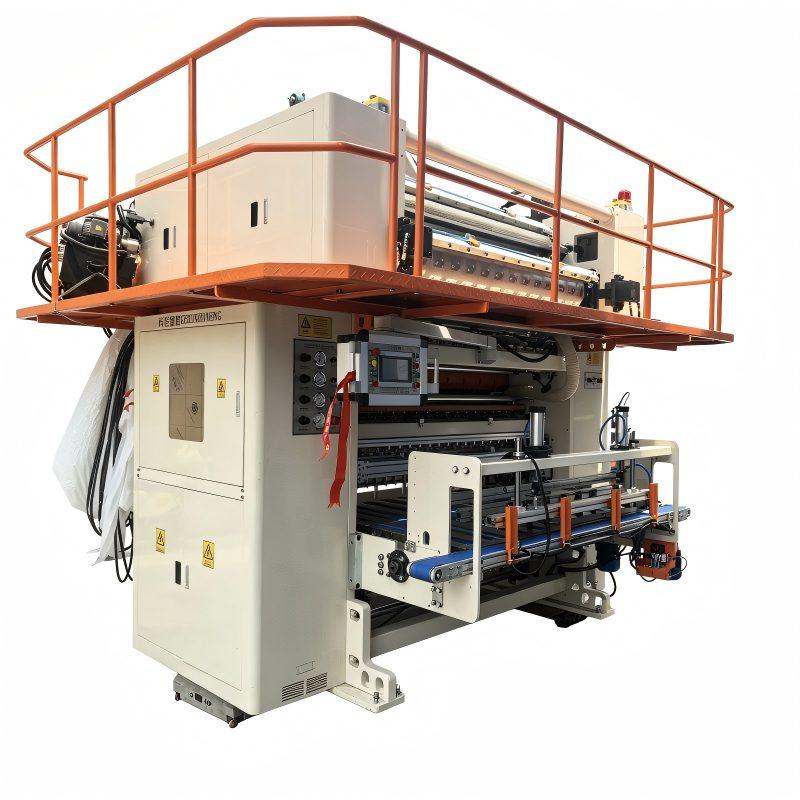
The machine takes parent roll tissue, embosses and prints the web, then folds, cuts, and counts napkins in an L-fold format. Four parallel lanes mean four napkins are produced across the machine width in each cycle, which raises output compared with single-lane folding. The two-color printing unit applies printed design or branding to the tissue web before folding, so the printed area is set by the print unit position and the finished napkin format.
Because printing happens in line, print registration, ink or plate setup, and drying behavior all interact with web tension and folding accuracy. Buyers should treat the printing unit and the folding section as one linked system rather than two separate add-ons.
How the Process Runs From Parent Roll to Counted Napkin
-
Parent roll unwinding — the tissue web is fed under controlled tension.
-
Embossing — the web passes through embossing rolls to set the napkin texture and bond the plies.
-
Two-color printing — the print unit applies two colors to the web; registration and ink setup are checked here.
-
L-fold folding — the web is folded into the L-fold configuration across four lanes.
-
Cutting — folded napkins are separated to the finished size.
-
Counting and output — napkins are counted and delivered for downstream packing or manual collection.
Configuration Points That Change Output and Print Quality
Two machines with the same model name can behave very differently depending on how these points are specified. Confirm each one against your own product plan.
|
Configuration point
|
Why it matters
|
What to confirm with the supplier
|
|
Finished napkin size and fold format
|
Sets the folding and cutting setup and the printable area
|
Folded size, open size, and L-fold geometry
|
|
Parent roll specification
|
Affects web tension, embossing, and print registration
|
Roll width, diameter, core size, ply count, and basis weight
|
|
Print unit setup
|
Determines color coverage, registration, and changeover time
|
Print method, plate or cylinder changeover, ink type, and drying
|
|
Lane count and speed
|
Drives practical output per shift
|
Design speed versus stable working speed for your napkin size
|
|
Downstream connection
|
Affects labor and packing flow
|
Whether output feeds a packing machine or is collected manually
|
|
Utilities and floor space
|
Affects installation planning and running cost
|
Power supply, air pressure and consumption, and required layout
|
Printing Considerations Buyers Often Underestimate
-
Registration stability. Print position must hold across the full web width and across all four lanes; small tension changes show up as misregistration on the finished napkin.
-
Changeover time. Switching printed designs or colors adds setup time. Ask how plates or cylinders are changed and how long a typical changeover takes.
-
Ink and substrate match. Tissue is a soft, absorbent substrate. Confirm the ink type and drying method suit your tissue grade and the printed look you want.
-
Print area versus fold. Part of the web ends up inside the fold. Confirm which face of the finished napkin carries the printed design.
Selection Checklist Before Requesting a Quotation
Suppliers can quote accurately only when the product plan is clear. Prepare the following:
-
Folded and open napkin dimensions, and the required L-fold format.
-
Parent roll width, diameter, core size, ply count, and tissue grade.
-
Target output per shift or per minute, and whether that is design or stable working output.
-
Printed design files, number of colors, and expected frequency of design changes.
-
Factory power supply, compressed air availability, and available floor space.
-
Whether finished napkins feed a packing machine or are packed manually.
-
Operator skill level and planned maintenance access around the print and folding sections.
Installation, Commissioning, and Daily Operation Notes
Commissioning should include a print registration check at the target running speed, not only at low speed, because registration behavior changes as web tension stabilizes. Plan access space on the print unit side for plate or cylinder changes and cleaning, and keep the embossing and folding sections reachable for routine checks.
During daily operation, watch for drift in print position, changes in fold quality, and buildup on the print unit. These are the earliest signals that tension, ink supply, or roll condition needs attention.
Common Buyer Questions
Can the machine run unprinted napkins as well as two-color printed napkins?
This depends on the supplied configuration. Ask the supplier whether the print unit can be bypassed and what that means for changeover time and output.
Does four-lane folding mean four times the output of a single lane?
Lane count raises output, but practical output also depends on napkin size, tissue grade, print setup, and stable running speed. Compare design speed and stable working speed for your specific napkin format.
What determines the printable area on the finished napkin?
The print unit position, the web width, and the fold geometry together determine which part of the web is visible after folding. Confirm this with a sample before production.
What information speeds up a quotation?
Napkin dimensions, parent roll specification, target output, print design and color count, utilities, and floor space. With these, a supplier can propose a suitable configuration.
For a closer look at how a single-outlet napkin folding machine is configured and run, see the DB-NK-270 single-outlet napkin paper folding machine. Buyers comparing napkin formats and folding options can also review the paper napkin size and folding FAQ.
Send Your Napkin Specification for a Configuration Proposal
Share your folded and open napkin size, parent roll specification, target output, print design and color count, factory power and air supply, and available floor space. Our engineering team will respond with a suitable machine configuration and the technical details you need for project planning.





 Tel: +8613908196540
 Email: info@doubletissuemachine.com
 MP/WhatsApp: +8613908196540
 Manufacturer Address:Dongguan, Guangdong, China