This video shows a non-stop toilet tissue rewinding line in operation, from parent roll unwinding through embossing, perforation, and log winding to the finished log discharge. For buyers planning a tissue converting project, the footage is a practical reference for how a continuous rewinding line is laid out, how the web runs through each station, and where operators interact with the machine during normal production.
What the Running Line Shows
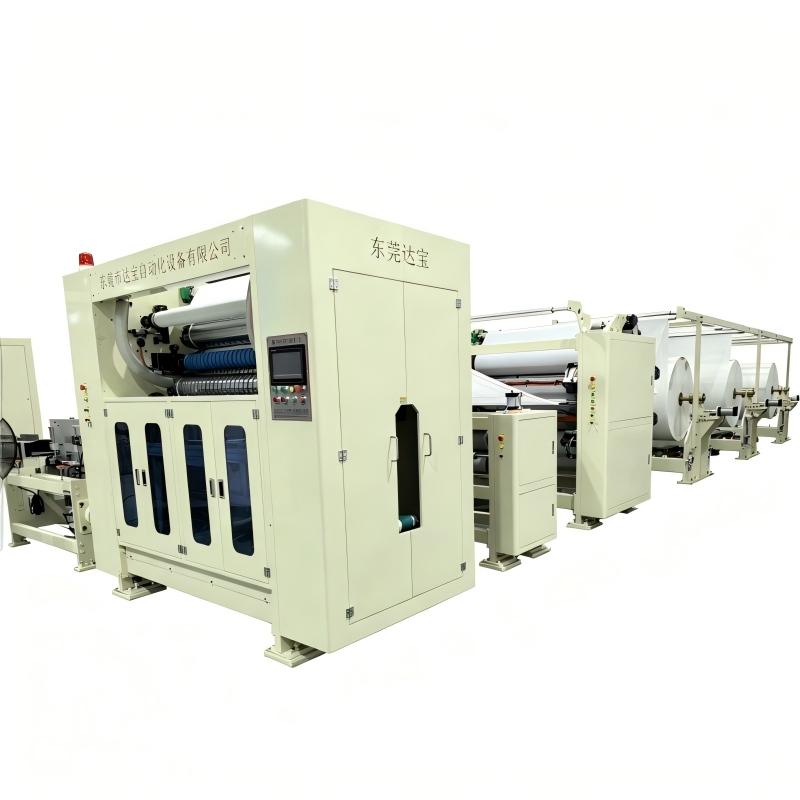
The clip follows the material path through the main stations of a non-stop rewinder. Watching the sequence helps engineering and procurement teams understand the machine footprint, the position of the parent roll stands, and how the finished logs leave the line for the next converting step.
-
Parent roll unwinding and web tension control at the start of the line.
-
Embossing and perforation stations between unwinding and winding.
-
Log winding, transfer, and discharge at the end of the cycle.
-
Operator access points along the line during running production.
Why Continuous Rewinding Matters in Tissue Converting
A non-stop rewinding line is designed to reduce the interruptions caused by parent roll changes and log handling. Instead of stopping the whole line for each roll splice, the machine uses a continuous feed arrangement so the web keeps moving while a new parent roll is prepared. For factories running toilet paper and kitchen towel production, this directly affects how much stable output a single line can deliver per shift.
The practical benefit depends on the confirmed configuration: parent roll diameter and width, target log diameter, perforation format, embossing pattern, and the automation level of the transfer and discharge sections. Buyers should treat the video as a layout and process reference, then match the machine specification to their own finished product format.
What to Check Before Choosing a Rewinding Line
Engineers comparing rewinding equipment usually start from the finished product and work backward. The points below are the ones that most often change the machine configuration and the factory layout.
|
Decision point
|
What the buyer should confirm
|
|
Finished product format
|
Toilet paper, kitchen towel, or both; log diameter and sheet count per roll.
|
|
Parent roll input
|
Parent roll width, diameter, core size, and the ply and material grade to be run.
|
|
Target output
|
Required production rate per shift and whether the line must run continuously.
|
|
Automation level
|
Whether log transfer, discharge, and downstream connection are manual or automated.
|
|
Utilities and floor space
|
Available power, air supply, and the length and width the line needs in the hall.
|
How the Line Fits Into a Tissue Production Layout
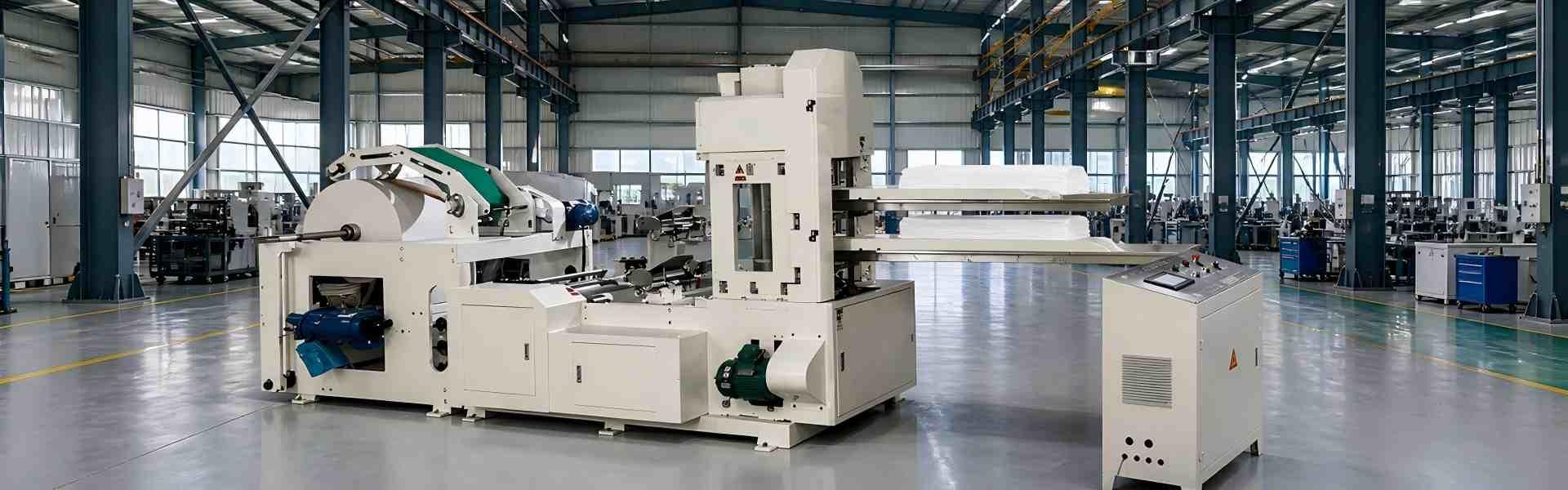
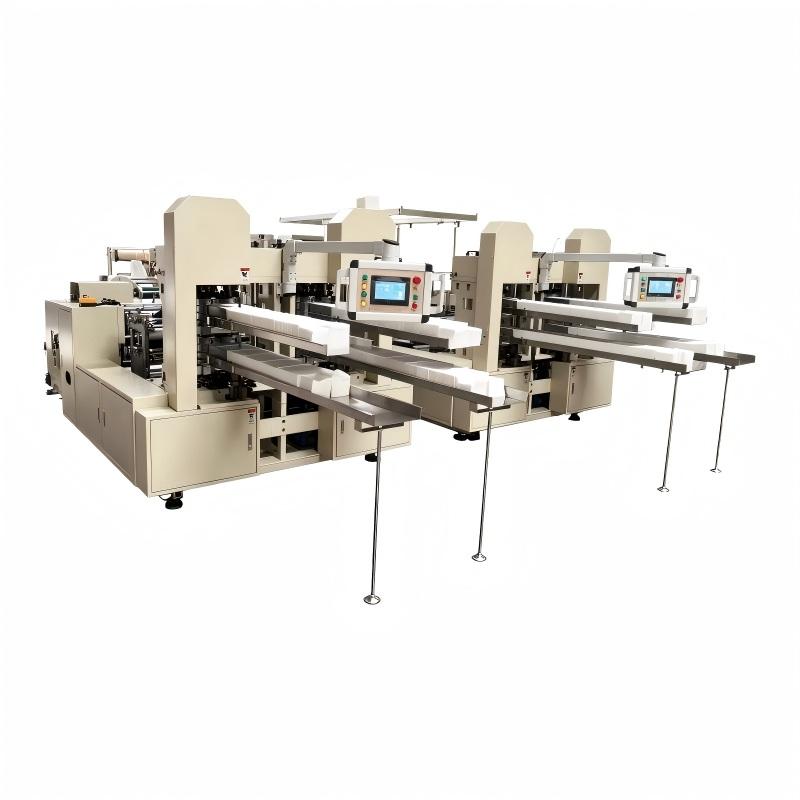
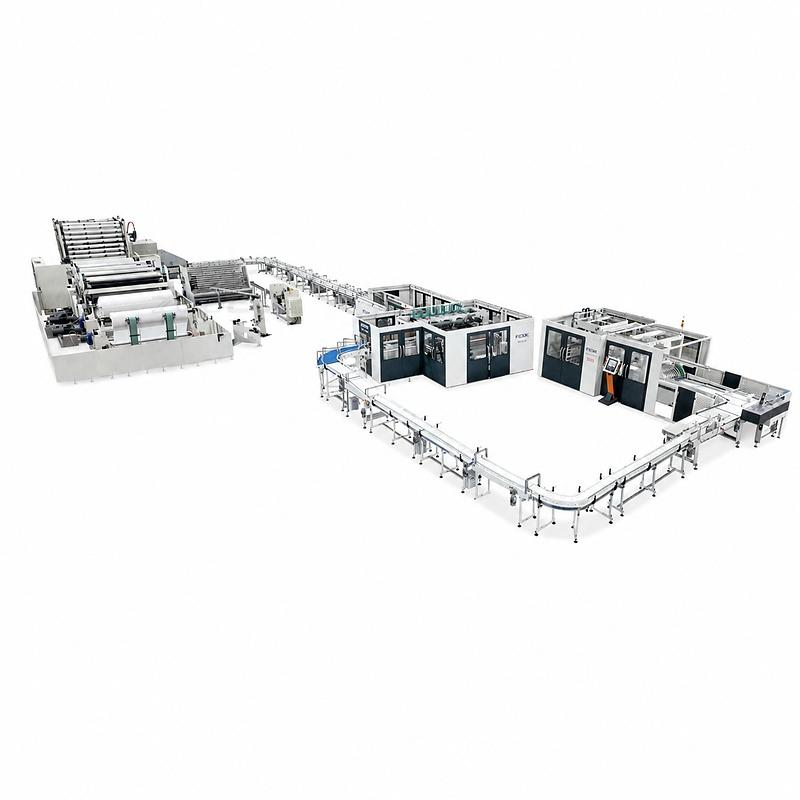
A rewinding line rarely runs alone. It sits between the parent roll supply and the downstream packing or converting equipment, so the layout has to leave room for roll storage, log handling, and maintenance access. When reviewing the video, note how much clear space is kept around the winding section and where finished logs are staged before the next process.
For a broader view of how rewinding connects to the rest of the converting process, see the toilet paper production solution. Buyers who want the machine-level detail can review the DB-R300 non-stop toilet paper rewinder line, which covers the configuration and specification fields for this type of equipment.
Buyer Questions About Non-Stop Rewinding
Does a non-stop line eliminate all downtime?
No. A non-stop design reduces stops related to parent roll changes and log handling, but planned maintenance, blade changes, and material issues still require the line to be stopped. Actual uptime depends on the confirmed configuration and how the line is operated and maintained.
Can one line run both toilet paper and kitchen towel?
Some models are built for both product types, while others are configured for one. This depends on the machine model and the specified log format, so it should be confirmed against the model data sheet rather than assumed.
What information is needed for a configuration proposal?
Finished product type and size, parent roll specification, target output, automation requirements, available utilities, and the planned floor layout are the usual starting points for an engineering review.
Discuss Your Rewinding Line Requirements
Share your finished product format, parent roll specification, target output, and factory layout with our engineering team to review a suitable rewinding line configuration.





 Tel: +8613908196540
 Email: info@doubletissuemachine.com
 MP/WhatsApp: +8613908196540
 Manufacturer Address:Dongguan, Guangdong, China